

The no sugar movement is transforming the way we eat, and 2026 offers a surprising variety of no sugar foods that are changing the game. Many people struggle to cut sugar without losing taste or nutrition, but new options make it easier than ever.
This article will reveal seven unexpected no sugar foods that are both delicious and healthy. Discover what sets these foods apart, why they matter for your well-being, and simple ways to add them to your meals.
Ready to enjoy food without compromise? Explore these innovative choices and take your first step toward a healthier, no sugar lifestyle.
Why Choose No Sugar Foods in 2026?
The demand for no sugar foods in 2026 is not just a trend, but a response to mounting scientific evidence and evolving health guidelines. As more consumers scrutinize what goes into their bodies, understanding the reasons behind this shift is crucial.
The Evolving Science of Sugar and Health
Modern research has firmly linked excessive sugar intake to chronic health conditions such as diabetes, obesity, and heart disease. Studies now show that high sugar consumption increases the risk of metabolic syndrome and cardiovascular issues. According to the World Health Organization and the American Heart Association, adults should limit added sugars to less than 10% of daily calories, yet average intake often exceeds these recommendations.
Food labeling has evolved significantly, empowering consumers to identify no sugar options more easily. Terms like "no sugar," "sugar-free," and "no added sugar" have clear regulatory definitions. For example, the FDA clarifies that "no sugar" means a product contains less than 0.5 grams of sugars per serving, and "no added sugar" indicates no sugars were added during processing. For a detailed explanation, see the FDA guidelines on 'no sugar' labeling.
Below is a quick comparison of label terms:
| Label Term | Definition (FDA) |
|---|---|
| No Sugar | <0.5g sugars per serving |
| Sugar-Free | <0.5g sugars per serving, no added sugars |
| No Added Sugar | No sugar added during processing |
Manufacturers are taking note, launching clean-label, no sugar foods that cater to consumers seeking transparency and health benefits. The rise in plant-based alternatives and innovative snacks demonstrates this ongoing shift.
Benefits of a No Sugar Diet
Choosing a no sugar diet in 2026 offers a range of health benefits. People report improved energy levels, easier weight management, and more stable blood sugar throughout the day. Reducing sugar intake has also been linked to decreased inflammation and a lower risk of metabolic diseases.
Cognitive and mood benefits are increasingly recognized. Stable blood sugar supports better concentration and emotional balance, reducing the risk of mood swings. Research indicates that lowering sugar can contribute to better long-term health outcomes, including reduced risks for diabetes and heart disease.
A no sugar approach fits well with specific dietary needs, such as diabetic, keto, or low-carb plans. Many individuals share stories of how transitioning to no sugar foods has helped them feel more in control of their health, with fewer cravings and improved overall well-being.
With food labeling improvements and a growing selection of no sugar options, making healthier choices in 2026 is easier than ever.
7 Surprising No Sugar Foods to Try in 2026
Discovering new, flavorful options in the no sugar landscape has never been more exciting. The variety available in 2026 reflects the evolution of consumer demand and food technology, making it easier than ever to enjoy delicious, nutrient-dense foods without added sugars. Below, we reveal seven unexpected no sugar foods that combine taste, health benefits, and versatility.
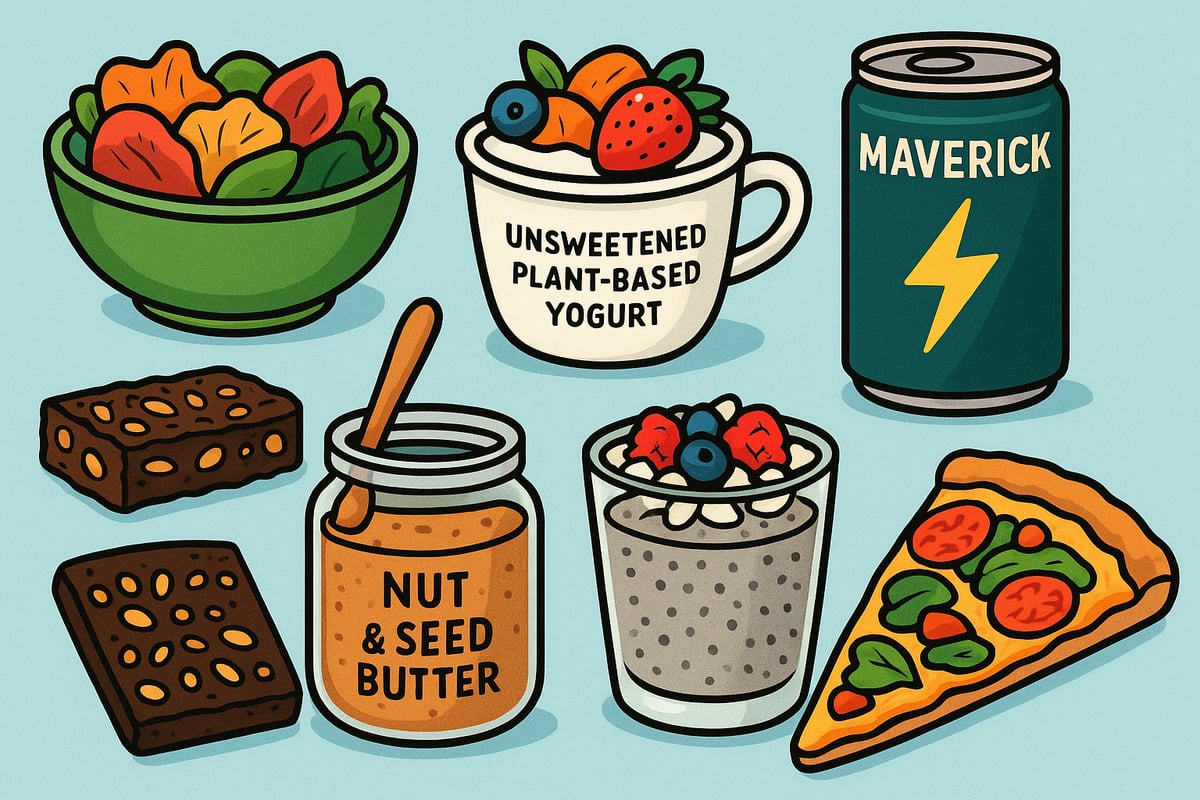
1. No Sugar Added Fermented Veggie Chips
Fermented veggie chips are transforming snack time for those seeking no sugar alternatives. Unlike traditional chips, these snacks are made from wholesome vegetables such as cabbage, carrots, and beets. The key is natural fermentation, which enhances flavor without the need for any sugar or artificial sweeteners.
The process begins with thinly sliced veggies, sea salt, and time. Fermentation creates a tangy, crunchy snack loaded with probiotics that support gut health. These chips are allergen-free and vegan, offering a safe snacking choice for people with dietary restrictions.
Market data shows that fermented snacks are gaining popularity, with more consumers searching for no sugar options that still deliver on taste. Many enjoy these chips as a substitute for traditional potato chips, as a topping for salads, or as a flavorful side dish.
A table comparing regular and fermented veggie chips:
| Feature | Regular Chips | Fermented Veggie Chips (No Sugar) |
|---|---|---|
| Sugar Content | Often added | None |
| Probiotics | None | Yes |
| Allergen-Free | Sometimes | Yes |
| Vegan Options | Few | Many |
Choosing no sugar fermented veggie chips lets you indulge in crunch and flavor while supporting your digestive wellness.
2. Unsweetened Plant-Based Yogurt with Prebiotics
Unsweetened plant-based yogurt is redefining breakfast and snack time for many in 2026. Brands have innovated with bases like almond, coconut, and oat, ensuring the final product contains no sugar, yet delivers creamy texture and rich flavor.
The secret lies in prebiotic fibers, which add natural thickness and help nourish beneficial gut bacteria. This no sugar yogurt stands out by offering protein, calcium, and live probiotics, making it a smart swap for traditional dairy yogurts loaded with sugar.
Consumer demand for dairy-free, low-sugar foods has led to an explosion of options in major grocery chains. These yogurts are perfect with fresh fruit, nuts, or savory toppings like cucumber and herbs.
Nutrition facts per serving (typical values):
| Nutrient | Amount |
|---|---|
| Protein | 5-8g |
| Calcium | 20-30% DV |
| Sugar | 0g |
| Prebiotics | 2-4g |
No sugar plant-based yogurts are ideal for breakfast, snack, or even as a base for creamy salad dressings. With more brands joining the movement, finding the right flavor and texture for your palate has never been easier.
3. Maverick | The Electrolyte Drink | 12x25cl
Hydration is essential, but many drinks on the market contain hidden sugars. Maverick is a standout in the no sugar category, offering a clean electrolyte drink with only 1 calorie per serving. Its minimalist formula includes sodium, potassium, and magnesium, all vital for hydration and performance.
Maverick targets athletes, active individuals, and anyone who values health-conscious choices. The drink is science-backed, comes in a convenient 12-pack, and is priced at €24,00 EUR. Unlike most electrolyte drinks, Maverick contains no sugar, making it suitable for keto, diabetic, and low-carb lifestyles.
Key benefits:
- Supports endurance, recovery, and mental focus
- Zero sugar, low calorie, and easy to carry
- Free from artificial flavors and sweeteners
A quick comparison:
| Drink | Sugar Content | Calories | Ingredients |
|---|---|---|---|
| Maverick | 0g | 1 | Electrolytes only |
| Leading Brand A | 15g | 60 | Sugar, flavors |
| Leading Brand B | 8g | 35 | Sugar, colors |
Some may prefer flavored or sweet drinks, but Maverick’s pure profile is a top pick for those seeking true no sugar hydration. Learn more about Maverick.
4. Stevia-Sweetened Dark Chocolate Crunch Bars
Chocolate lovers can now enjoy their favorite treat without the sugar spike. Stevia-sweetened dark chocolate crunch bars use natural, zero-calorie sweeteners like stevia and erythritol. These bars blend rich cocoa with nuts and seeds, skipping all sugars and syrups.
The taste profile is deeply chocolatey, slightly bittersweet, and satisfyingly crunchy. Antioxidants from dark chocolate and healthy fats from nuts deliver a nutrient boost, making these bars a smart choice for a no sugar lifestyle.
Health stores report growing popularity for these bars, as more people seek no sugar snacks that do not compromise on flavor. Compared to traditional chocolate bars, the difference in sugar content is significant.
Best occasions to enjoy:
- Dessert after a meal
- Mid-afternoon snack
- Quick energy boost before workouts
With more brands entering the market, finding a no sugar chocolate bar that suits your taste has never been simpler.
5. No Sugar Added Nut & Seed Butters
Nut and seed butters are staples for many, but traditional versions often include added sugars and palm oil. In 2026, the trend is shifting to no sugar added varieties made from simple, roasted nuts or seeds.
Popular options include almond, peanut, sunflower, and pumpkin seed butters. Each offers a robust, natural flavor and a rich nutritional profile: protein, healthy fats, vitamins, and minerals. The absence of sugar lets the pure taste of the nuts shine through.
Ways to enjoy no sugar nut and seed butters:
- Spread on whole grain toast
- Blended into smoothies
- Served as a dip for fresh veggies
Many brands now offer allergen-free and school-safe varieties, reflecting consumer demand for clean-label, no sugar spreads. This shift supports families, athletes, and anyone seeking wholesome, versatile foods.
6. Chia Pudding with Unsweetened Almond Milk
Chia pudding is a favorite for those following a no sugar diet. Mixing chia seeds with unsweetened almond milk results in a creamy, satisfying texture without any sweeteners.
Chia seeds are nutritional powerhouses, packed with omega-3 fatty acids, fiber, and plant-based protein. The pudding can be flavored with vanilla, cocoa, or berry extracts for variety. Toppings such as fresh fruit, nuts, or coconut flakes add texture and taste.
This no sugar option fits perfectly into meal prep routines, providing a convenient breakfast or dessert. It is especially popular in weight management communities for its low calorie and low carb content.
Typical nutrition per serving:
| Component | Amount |
|---|---|
| Calories | 120-150 |
| Carbohydrates | 8-10g |
| Fiber | 6-8g |
| Protein | 4-6g |
| Sugar | 0g |
No sugar chia pudding is easy to customize, making it a staple for anyone seeking healthy, quick meals.
7. No Sugar Added Cauliflower Pizza Crusts
Pizza night goes guilt-free with no sugar added cauliflower pizza crusts. Made from cauliflower, egg or flaxseed, and herbs, these crusts are grain-free and contain no starches or sugars.
The texture is crisp, with a neutral flavor that pairs well with any toppings. Nutritionally, cauliflower crusts are low in carbs, high in fiber, and gluten-free, making them ideal for a variety of diets.
Availability has soared, with many grocery stores stocking these crusts in their freezer sections. Serving ideas include classic pizzas, flatbreads, or even breakfast pizzas topped with eggs and vegetables.
Consumer testimonials highlight the convenience and taste of these no sugar options. Market growth data shows increasing demand for grain-free, no sugar alternatives, reflecting broader trends in health-conscious eating.
No sugar cauliflower pizza crusts let you enjoy a beloved comfort food while supporting your dietary goals.
How to Spot Hidden Sugars in Packaged Foods
Hidden sugars can sabotage even the most careful no sugar diets. Manufacturers often add sugars to packaged foods under unfamiliar names, making it challenging for consumers to avoid them. Learning to identify these ingredients is essential for anyone striving for a truly no sugar lifestyle.
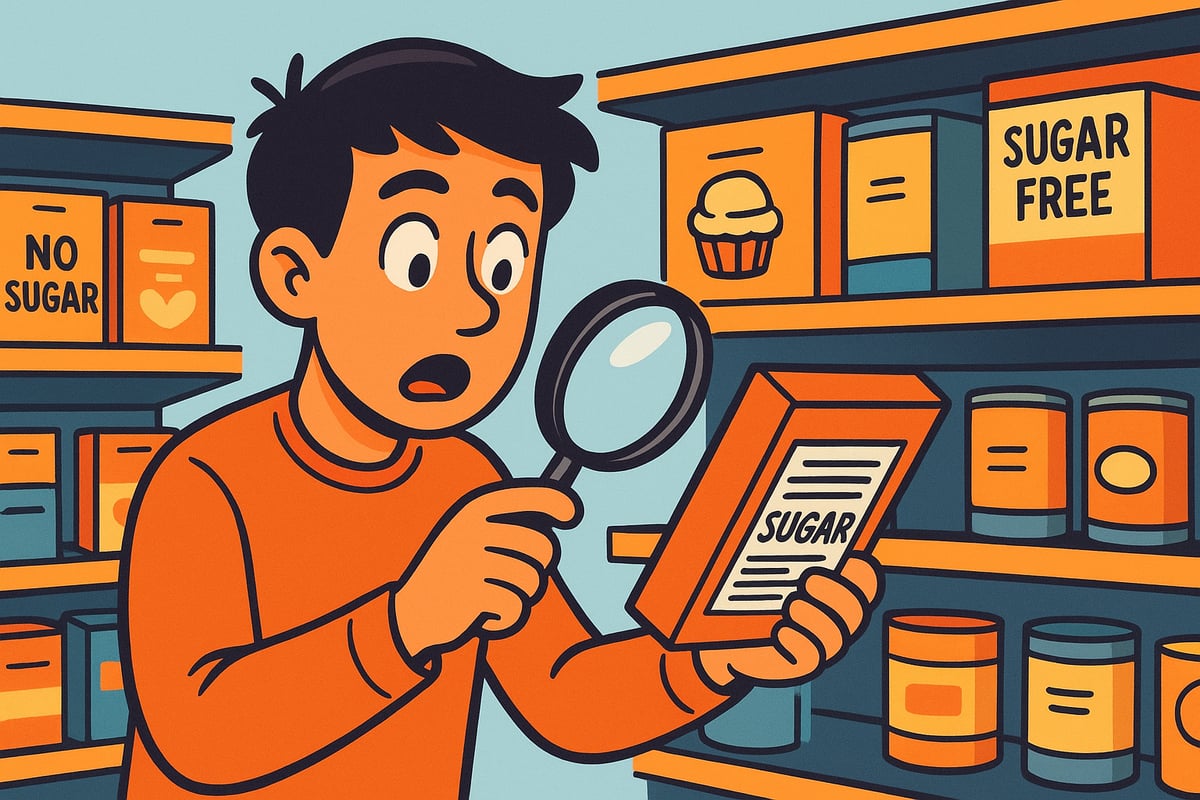
Understanding Food Labels and Ingredient Lists
Spotting hidden sugars starts with reading both the ingredient list and the nutrition facts panel. While the front of the package might claim "no sugar," always check the back for the full story. Many products contain added sugars under names such as maltodextrin, cane juice, fructose, dextrose, and various syrups. These ingredients contribute to your total sugar intake, even if the product appears healthy.
In 2026, food labeling regulations have evolved to help consumers make more informed choices. The FDA requires manufacturers to list both "Total Sugars" and "Added Sugars" on nutrition panels. This makes it easier to see if a product truly fits your no sugar goals. However, not all sugars are obvious, so it is crucial to recognize less familiar terms that signal added sweetness.
Here are some of the most common hidden sugar names to watch for:
- Maltodextrin
- Brown rice syrup
- Cane crystals
- Fruit juice concentrate
- Barley malt
Packaged foods like salad dressings, yogurt, granola bars, and even savory sauces often contain these ingredients. For example, a tomato sauce may list "evaporated cane juice" or "corn syrup," even when labeled as "natural." According to recent statistics, nearly 70% of packaged foods in the average grocery store contain some form of added sugar. This hidden intake can quickly push you over the recommended daily limit, even if you choose primarily "healthy" products.
One way to ensure you are buying true no sugar items is to select products with short, simple ingredient lists. Look for terms like "unsweetened" and compare brands to find those with zero added sugars. Regulatory updates in 2026 have made it mandatory for companies to use clearer language and more transparent labeling, yet vigilance is still necessary.
The health impact of hidden sugars is significant. Consuming ultra-processed foods with added sugars has been linked to negative health effects within weeks, according to recent research on the impact of ultra-processed foods on health. This underscores the importance of choosing no sugar, minimally processed foods whenever possible.
To make tracking easier, several apps and tools are available that scan barcodes and highlight added sugars in packaged foods. These digital aids are especially valuable for busy shoppers and those new to the no sugar lifestyle.
Staying informed and proactive allows you to avoid hidden sugars and make confident choices that support your no sugar journey.
Incorporating No Sugar Foods into Your Daily Diet
Making the switch to a no sugar lifestyle in 2026 is easier than ever, thanks to a wave of innovative products and smarter eating strategies. Begin by setting clear intentions and gradually replacing sugary staples with no sugar alternatives. Focus on the flavors and textures you love, and remember that your palate will adjust as you explore new options.
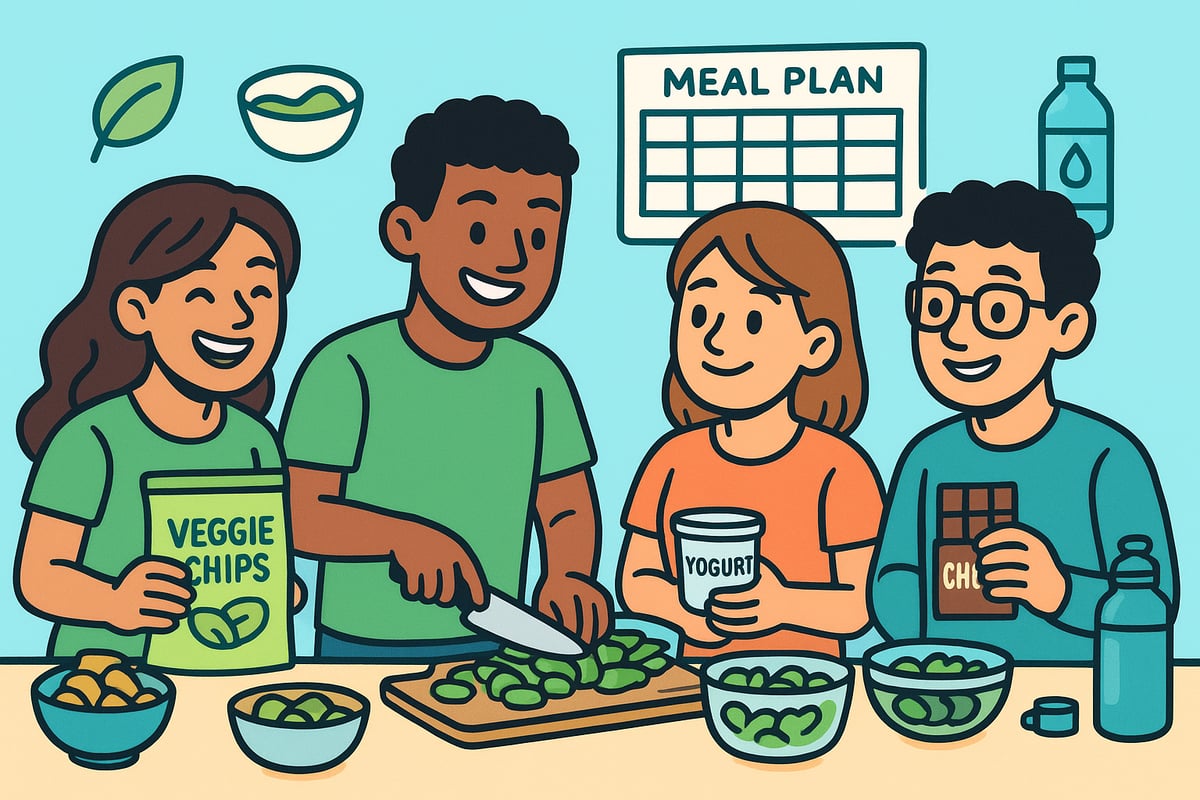
Start your day with a balanced meal featuring no sugar foods. For example:
| Meal | No Sugar Option |
|---|---|
| Breakfast | Chia pudding with unsweetened almond milk |
| Snack | Fermented veggie chips |
| Lunch | Cauliflower pizza crust with fresh veggies |
| Snack | Stevia-sweetened dark chocolate crunch bar |
| Dinner | Grilled chicken with nut & seed butter sauce |
| Hydration | Maverick electrolyte drink |
Incorporating these foods throughout the day helps you stay satisfied and energized, without the ups and downs of sugar spikes.
Smart snacking is key to a successful no sugar approach. Prepare snacks in advance, such as portioned nut and seed butters or pre-made chia pudding cups. Always check nutrition labels for hidden sugars, and opt for products labeled "no sugar" or "no added sugar." Flavor meals and snacks with fresh herbs, spices, or citrus zest for added depth without sweetness. For more ideas, explore the Best Low Sugar Hydration Drinks to complement your daily routine.
Batch cooking and meal prep make sticking to no sugar foods much simpler. Dedicate time each week to prepare staples like roasted veggies, homemade nut butters, and sugar-free sauces. This not only saves time but also reduces the temptation to grab sugary convenience foods when you are busy.
Challenges such as cravings, social gatherings, or dining out are common. Combat cravings by choosing naturally sweet foods like berries or adding extra crunch with veggie chips. In social settings, bring your own no sugar snacks or suggest restaurants with customizable menu options. Over time, your taste buds will appreciate the natural flavors of whole foods, making the no sugar lifestyle more enjoyable.
Support is crucial for long-term success. Connect with online forums, recipe communities, or local groups focused on no sugar living. Sharing your journey and learning from others can keep you motivated. With consistent habits and a positive mindset, incorporating no sugar foods becomes second nature, supporting your health goals every step of the way.
Emerging Technologies Shaping No Sugar Foods
Technological innovation is at the heart of the no sugar revolution. Researchers are developing advanced natural sweeteners sourced from plants, fruits, and even fermentation processes. These alternatives closely mimic the taste and texture of traditional sugars, without the health drawbacks.
Another breakthrough involves sugar-reducing enzymes, which can break down sugars in raw ingredients before processing, resulting in truly no sugar finished products. Artificial intelligence is also being used to optimize recipes and predict consumer preferences, enabling brands to launch new flavors and formats more quickly.
Sustainability is another driver, as clean-label and eco-friendly manufacturing methods become standard in the no sugar category. These advances help ensure products are not only good for you but also for the planet.
New Product Categories and Culinary Innovation
In 2026, consumers can expect to see a wave of innovative no sugar foods in every aisle. Savory snacks, once overlooked, are now being crafted with bold flavors and functional ingredients that deliver both taste and nutrition. Beverage companies are introducing natural, sugar-free hydration options, including electrolyte drinks and botanical infusions, to meet daily wellness needs. For a curated list of recommended drinks, see these Natural Hydration Drink Picks.
Functional foods, such as protein bars and gut-friendly yogurts, are being reformulated to eliminate added sugars while boosting beneficial nutrients. Restaurants and food service providers are also updating menus with no sugar desserts, sauces, and main courses, making it easier for everyone to enjoy flavorful meals without compromise.
This expanded variety empowers individuals to seamlessly integrate no sugar options into their routines, whether at home, on the go, or dining out.
Market Trends, Consumer Impact, and the Road Ahead
The global demand for no sugar foods is driving unprecedented change across the food industry. Experts predict that the market for no sugar and reduced sugar products will double by 2030, fueled by greater awareness of the health risks associated with high sugar intake. Early-life sugar exposure is now linked to chronic diseases, reinforcing the importance of adopting no sugar habits at every age. For more insight, see this research on early-life sugar intake and chronic disease risk.
Consumer advocacy for transparency and sustainability is pushing brands to adopt cleaner labels and ethical sourcing. Companies leading the no sugar movement are investing in recyclable packaging, plant-based ingredients, and transparent supply chains.
As a result, the no sugar trend is shaping not just what we eat, but how foods are produced, marketed, and enjoyed. Staying informed and adventurous will allow you to benefit from the best innovations this movement has to offer.
0 comments