

Imagine unlocking a new level of vitality in 2026, simply by mastering your body's balance of electrolytes with potassium. These tiny yet powerful minerals are the secret behind optimal hydration, steady energy, and sharper focus.
Why are electrolytes with potassium so crucial? They help your muscles contract, keep your nerves firing, and support your heart's rhythm. When balanced, they transform how you feel, move, and perform each day.
In this article, you'll discover the nine most essential electrolytes with potassium, learn how they work, and gain the insights needed to boost your wellness and fitness routine for the future. Ready to elevate your health? Dive in and unlock the science of true vitality.
Understanding Electrolytes: The Foundation of Wellness
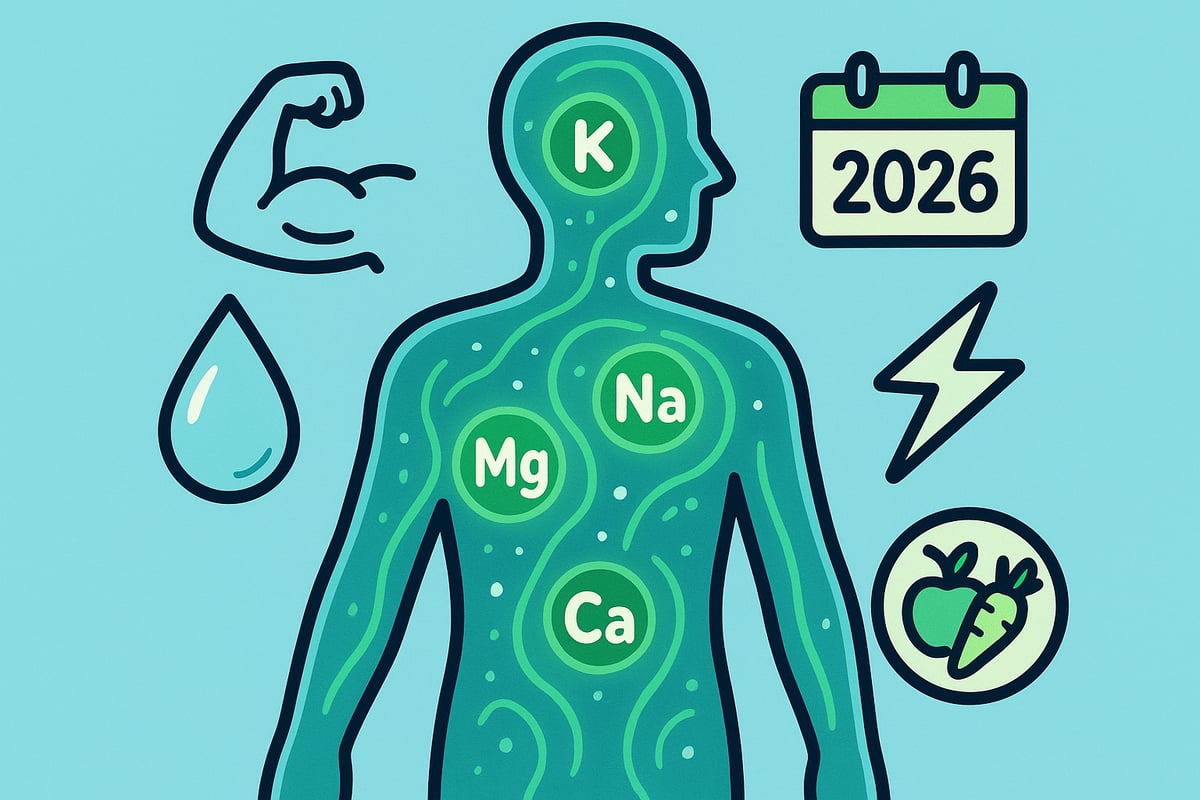
Electrolytes with potassium are at the core of your body's ability to function optimally. These charged minerals, like sodium, magnesium, and potassium, dissolve in bodily fluids and power essential processes. Every heartbeat, muscle movement, and nerve impulse relies on them. Without the right balance, even the most basic activities can become challenging.
What Are Electrolytes and Why Do They Matter?
Electrolytes with potassium help maintain hydration, regulate nerve signaling, and control muscle contraction. Think of them as tiny conductors, transmitting electrical signals that keep your heart beating and your muscles moving. When you sweat, exercise, or even breathe, you lose electrolytes, which must be replaced to avoid fatigue and impaired function.
The Role of Electrolyte Balance in Health and Performance
Striking the right balance of electrolytes with potassium is vital for everyone, from athletes to office workers. An optimal ratio supports daily energy, sharp mental focus, and physical endurance. Imbalances can undermine athletic performance, slow recovery, and make everyday tasks feel exhausting. According to scientific research on hydration, active individuals are especially at risk for deficiencies, making regular monitoring crucial.
Risks of Electrolyte Imbalance
Failing to maintain proper electrolytes with potassium can lead to a range of issues. Dehydration, muscle cramps, headaches, and even irregular heart rhythms are common. In severe cases, imbalances may result in hospitalization. Here’s a quick snapshot:
| Symptom | Possible Cause |
|---|---|
| Muscle cramps | Low potassium or sodium |
| Fatigue | General electrolyte deficiency |
| Confusion | Imbalance in sodium or potassium |
| Heart palpitations | Severe potassium or calcium loss |
How Modern Lifestyles Affect Electrolyte Needs
Factors like diet, stress, intense exercise, and even climate shifts can increase your need for electrolytes with potassium. High-sodium processed foods or restrictive diets may disrupt the natural balance. Heatwaves and heavy workouts boost sweat rates, accelerating loss. Staying ahead requires both awareness and intentional replenishment.
Debunking Myths: Electrolytes and Potassium
Many believe only athletes need to worry about electrolytes with potassium, but that’s not true. Everyday stress, medications, and common illnesses can all impact levels. Sports drinks are not the only solution; real foods and low-sugar hydration options are often more effective. Understanding the synergy between potassium and other minerals can help you unlock better health and performance.
As we look ahead, the role of potassium working in harmony with other electrolytes will only grow in importance. This foundation sets the stage for exploring the essential electrolytes with potassium that will shape wellness in 2026.
9 Essential Electrolytes With Potassium for 2026 Wellness
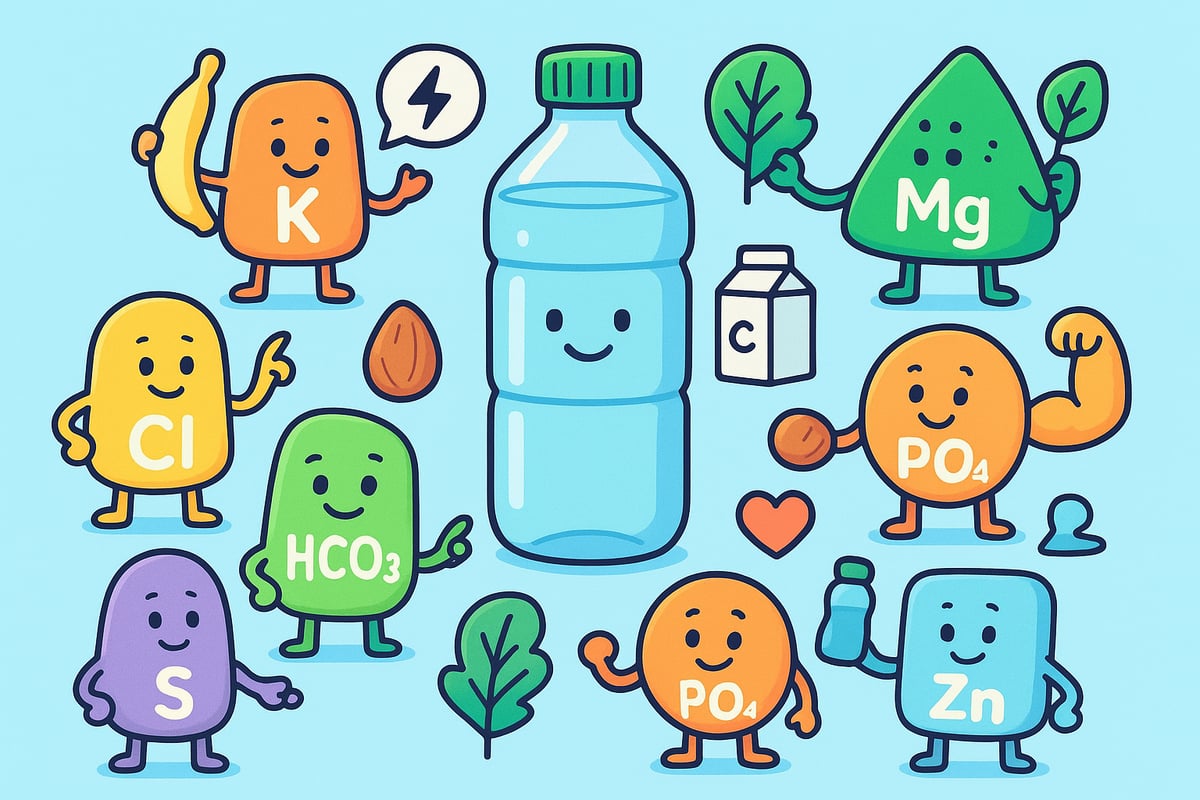
Unlocking the full potential of your health starts with understanding the nine essential electrolytes with potassium at the center. These minerals are more than hydration agents; they drive energy, muscle performance, and cellular function. In 2026, optimizing your intake of electrolytes with potassium can transform your fitness and daily wellness.
Below, explore each key electrolyte, with practical insights into their functions, sources, and the latest trends shaping their role in modern health.
1. Potassium
Potassium stands out as the cornerstone among electrolytes with potassium leading the way in heart health, muscle function, and nervous system support. It regulates fluid balance inside cells and maintains stable blood pressure.
Dietary sources include bananas, potatoes, spinach, avocados, and beans. In 2026, bioavailable supplements and potassium-fortified beverages are trending, making it easier to meet daily needs.
The recommended daily intake for adults is 4700 mg. Signs of deficiency can include muscle cramps, fatigue, and irregular heartbeat. Research highlights potassium's role in reducing stroke risk and supporting cardiovascular health. According to a recent Potassium's Impact on Cardiovascular Events review, increasing potassium consumption may significantly lower the risk of high blood pressure and related complications.
Potassium works best in synergy with other electrolytes with potassium balancing sodium to optimize hydration and cellular performance.
2. Sodium
Sodium is a vital player in the family of electrolytes with potassium, maintaining fluid balance and transmitting nerve impulses. It is essential for muscle contractions and supports hydration, especially during intense exercise or heat exposure.
Common sources are table salt, processed foods, and sports drinks. In 2026, wellness protocols emphasize balancing sodium with electrolytes with potassium for optimal health. Too much sodium can lead to high blood pressure, while too little may cause dizziness and confusion.
New guidelines recommend moderating sodium intake, especially for those at risk of hypertension. Reading labels and choosing lower-sodium options help maintain a healthy balance of electrolytes with potassium.
3. Magnesium
Magnesium is an unsung hero among electrolytes with potassium, supporting over 300 enzymatic reactions in the body. It is crucial for energy production, muscle relaxation, and quality sleep.
Magnesium-rich foods include nuts, seeds, whole grains, and dark chocolate. Many people, especially athletes, may be deficient due to modern dietary patterns. Magnesium’s link to improved exercise recovery and reduced muscle cramps is well-documented.
In 2026, the focus is on highly absorbable magnesium supplements and magnesium-enriched functional foods. Maintaining a balance of magnesium and other electrolytes with potassium is essential for sustained wellness and athletic performance.
4. Calcium
Calcium is a foundational component of electrolytes with potassium, vital for bone strength, muscle contraction, and nerve transmission. It supports heart rhythm and helps prevent osteoporosis.
Dietary sources are dairy products, leafy greens, fortified plant milks, and tofu. For athletes, calcium aids in muscle performance and injury prevention. Calcium’s synergy with vitamin D and magnesium enhances absorption and effectiveness.
Innovative plant-based calcium supplements are gaining popularity in 2026, offering alternatives for those avoiding dairy. Ensuring an adequate intake of calcium, in harmony with other electrolytes with potassium, is key for long-term health.
5. Chloride
Chloride, often paired with sodium, is a key member of electrolytes with potassium. It helps maintain fluid balance, produces stomach acid for digestion, and regulates body pH.
Table salt, seaweed, and tomatoes are primary sources. Chloride imbalances can disrupt digestion and hydration, impacting overall wellness. Emerging research explores chloride’s influence on gut health and metabolic processes.
In 2026, awareness is rising about the need to balance chloride with other electrolytes with potassium for optimal digestive function and hydration. Monitoring intake is especially important for those on low-salt diets or with specific health conditions.
6. Phosphate
Phosphate is a powerhouse in the group of electrolytes with potassium, essential for energy metabolism (ATP), bone strength, and cell signaling. It supports muscle endurance and recovery for athletes.
Main sources include meat, dairy, nuts, and legumes. While phosphate is vital, excess intake from processed foods can strain kidney health. Recommendations for 2026 focus on balanced intake from whole foods.
For endurance athletes, phosphate helps sustain performance and speed recovery. Managing phosphate alongside other electrolytes with potassium ensures energy efficiency and cellular health.
7. Bicarbonate
Bicarbonate is unique among electrolytes with potassium, maintaining acid-base balance in the body. It acts as a buffer, neutralizing excess acids and supporting metabolic health.
The body produces bicarbonate naturally, but it is also found in baking soda and some mineral waters. During intense exercise, bicarbonate helps buffer lactic acid, delaying fatigue and enhancing endurance.
Bicarbonate supplementation is gaining traction among athletes seeking to optimize performance. Balancing bicarbonate with other electrolytes with potassium is essential for effective recovery and sustained energy.
8. Sulfate
Sulfate deserves recognition in the lineup of electrolytes with potassium for its roles in detoxification, joint health, and protein synthesis. It is key for collagen production and maintaining healthy skin.
Sources include cruciferous vegetables, eggs, and mineral water. Recent research highlights sulfate’s importance in liver detox and immune support. In 2026, mineral-rich waters and sulfate supplements are on the rise.
Ensuring adequate sulfate, together with electrolytes with potassium, supports overall resilience and cellular repair. This is especially beneficial for those recovering from strenuous activity or environmental stressors.
9. Zinc
Zinc, though often overlooked, acts as an electrolyte in enzyme reactions and immune support. It is indispensable among electrolytes with potassium for recovery, metabolism, and hormone balance.
Seafood, meat, legumes, and seeds are top zinc sources. Vegans and vegetarians may be at higher risk of deficiency, making supplementation important. In 2026, highly bioavailable zinc supplements are widely available.
Zinc’s synergy with other electrolytes with potassium enhances immune defenses and supports healing. Monitoring zinc intake is crucial for anyone aiming for optimal wellness.
How to Incorporate Essential Electrolytes Into Your Daily Routine
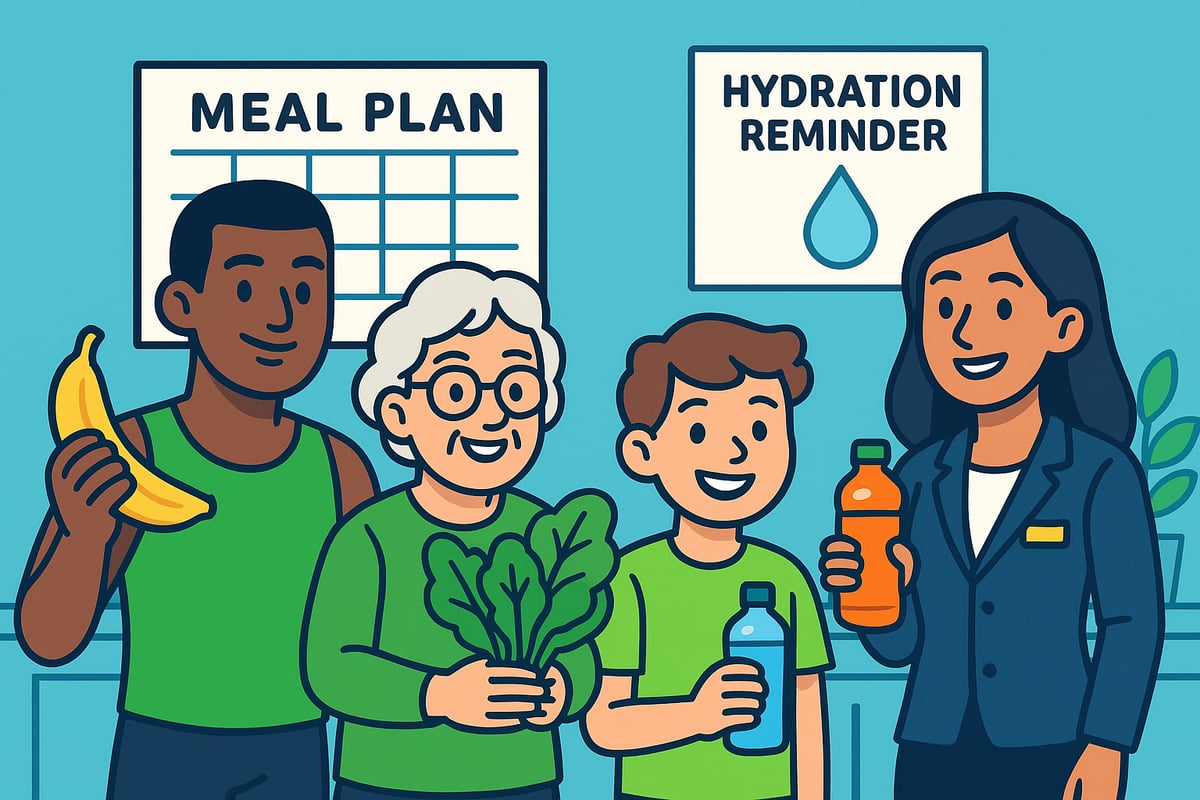
Unlocking the benefits of electrolytes with potassium in your daily routine is easier than you might think. Whether you are an athlete, a busy professional, or caring for your family, small changes can have a major impact on your hydration and overall wellness.
Practical Strategies for Daily Electrolyte Intake
Start by focusing on whole foods that naturally provide electrolytes with potassium. Include bananas, potatoes, spinach, yogurt, and nuts in your meals. Combine these with moderate sodium sources, like lightly salted vegetables or whole-grain crackers, to strike the right balance.
Hydration is equally important. Aim for water as your primary beverage, and consider low-sugar electrolyte drinks when exercising or during hot weather. For more targeted advice, review these essential daily hydration tips to help you manage your intake of electrolytes with potassium and other minerals.
Optimizing Hydration for Athletes
Athletes require a precise approach to maintain electrolytes with potassium. Before workouts, consume a meal rich in potassium and magnesium, such as oatmeal with fruit and seeds. During intense sessions, replenish fluids with balanced electrolyte drinks to offset sweat losses.
Post-exercise, focus on recovery foods high in electrolytes with potassium, like smoothies with leafy greens or baked potatoes. Regular monitoring of hydration and electrolyte status is key for peak performance.
Adapting Electrolyte Needs by Lifestyle and Climate
Your need for electrolytes with potassium varies based on activity level, age, and environment. Sedentary individuals may need less than highly active people or those living in hot, humid climates. Children and the elderly are especially vulnerable to imbalances and should prioritize water and potassium-rich snacks.
Increased sweating from heat or exercise raises your requirement for all electrolytes with potassium. Adjust your intake seasonally, and use wearable hydration trackers if available to tailor your approach.
Monitoring Balance and When to Seek Help
Watch for signs of electrolyte imbalance, such as muscle cramps, fatigue, irregular heartbeat, or confusion. If you notice these symptoms, pause and assess your recent fluid and food intake. Persistent issues may require a healthcare professional to check your levels and recommend adjustments.
Sample Day: Electrolytes With Potassium Meal Plan
| Meal | Foods Rich in Electrolytes With Potassium |
|---|---|
| Breakfast | Spinach omelet, whole-grain toast, orange slices |
| Snack | Yogurt with nuts and banana |
| Lunch | Grilled chicken salad, leafy greens, tomatoes |
| Snack | Baked potato, sunflower seeds |
| Dinner | Salmon, steamed broccoli, quinoa |
Innovative Electrolyte Products for 2026
The market for electrolytes with potassium is rapidly evolving. Look for clean-label, low-sugar drinks, fortified waters, and supplements with transparent ingredient lists. New formulations cater to plant-based diets and offer highly bioavailable forms of potassium and other electrolytes.
Integrating these innovations alongside traditional foods helps ensure you consistently meet your body’s needs for optimal wellness.
Choosing the Right Electrolyte Supplements for 2026 Wellness
Selecting the best electrolytes with potassium can be the difference between optimized wellness and missed potential. With the supplement market rapidly evolving, knowing what to look for is crucial.
What to Look for in Electrolyte Supplements
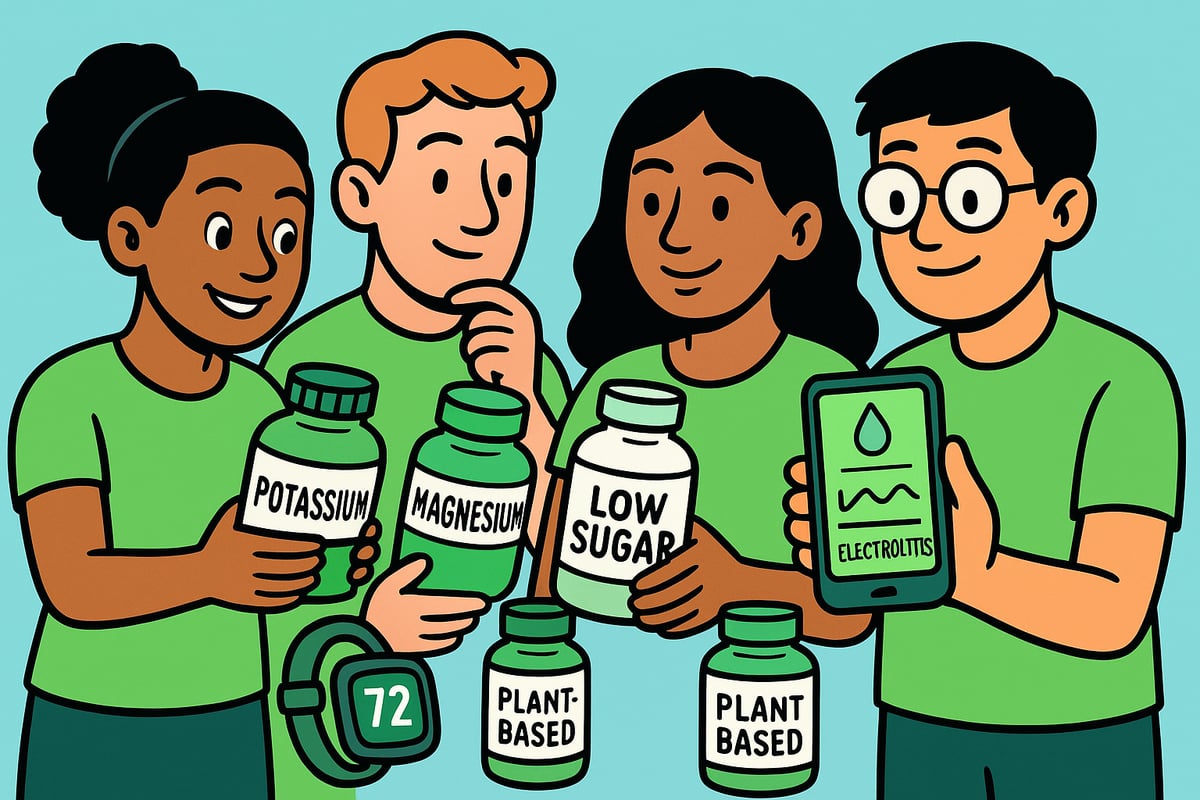
Begin by assessing ingredient quality. The ideal electrolytes with potassium contain bioavailable forms, minimal fillers, and precisely measured amounts.
Check for clean-label, plant-based, and allergen-free certifications if you have dietary restrictions. Sugar content is another vital factor. Many wellness seekers prefer low-sugar hydration drink options for maintaining electrolyte balance without unnecessary calories.
Scrutinize supplement facts panels for transparency. Avoid artificial colors, flavors, or excessive additives that may impact absorption or overall health.
Innovations in 2026: Personalization and Smart Hydration
The landscape for electrolytes with potassium is shifting toward personalization. Emerging technology enables the creation of custom blends based on activity level, sweat rate, and even genetic factors.
Smart hydration trackers and apps help users monitor intake and adjust for climate or exercise demands. These tools empower you to optimize your wellness routine with precision.
Safety, Consultation, and Final Thoughts
Safety should always guide your choice of electrolytes with potassium. Consult healthcare providers before starting new supplements, especially if you have kidney or heart concerns.
Athletes, in particular, benefit from understanding their unique needs. Recent research on electrolyte balance in athletes highlights how proper supplementation can enhance performance and recovery.
In summary, prioritize high-quality, transparent products, and leverage new technology for personalized guidance. With the right approach, electrolytes with potassium can support your health and wellness goals throughout 2026 and beyond.
Frequently Asked Questions About Electrolytes and Potassium
Have questions about electrolytes with potassium? Here are concise answers to the most common concerns for 2026 wellness.
Can you get too much potassium?
Yes, excessive potassium can be harmful, especially for those with kidney conditions. Most people benefit from meeting, not exceeding, the recommended daily intake. Recent research highlights potassium’s positive impact on cardiovascular health and blood pressure control, but moderation is key. For more information, see Potassium's Role in Blood Pressure Regulation.
Are sports drinks necessary for electrolyte balance?
Not always. Many natural foods and natural hydration drink recommendations offer electrolytes with potassium, making them effective alternatives to sugary sports drinks.
What are the signs of electrolyte imbalance?
Watch for symptoms like muscle cramps, fatigue, irregular heartbeat, or confusion. If you notice these, consult a healthcare professional and consider adjusting your intake of electrolytes with potassium.
Tips for safe management:
- Prioritize a balanced, whole-food diet.
- Monitor your hydration, especially during intense activity or hot climates.
- Consult your doctor before taking supplements.
0 comments