

Ever wake up after a night out feeling drained, foggy, and desperate for relief? You are not alone. Hangovers and dehydration are problems many people face after drinking.
Most people reach for water, but that is often not enough. Alcohol causes your body to lose vital minerals, making electrolytes after drinking essential for a true recovery. Want to bounce back faster in 2026? This guide will show you how.
Here, you will learn exactly when and how to use electrolytes after drinking. Discover the science behind dehydration, the symptoms to watch for, and the best strategies for rapid, effective restoration.
The Science of Dehydration and Electrolyte Loss After Drinking
Drinking alcohol often leaves people feeling depleted, but the underlying science is more complex than simple thirst. To truly recover, it is essential to understand what happens to your body’s fluid and electrolyte balance after alcohol consumption. The loss of electrolytes after drinking is a major reason why hangovers can be so intense and persistent.
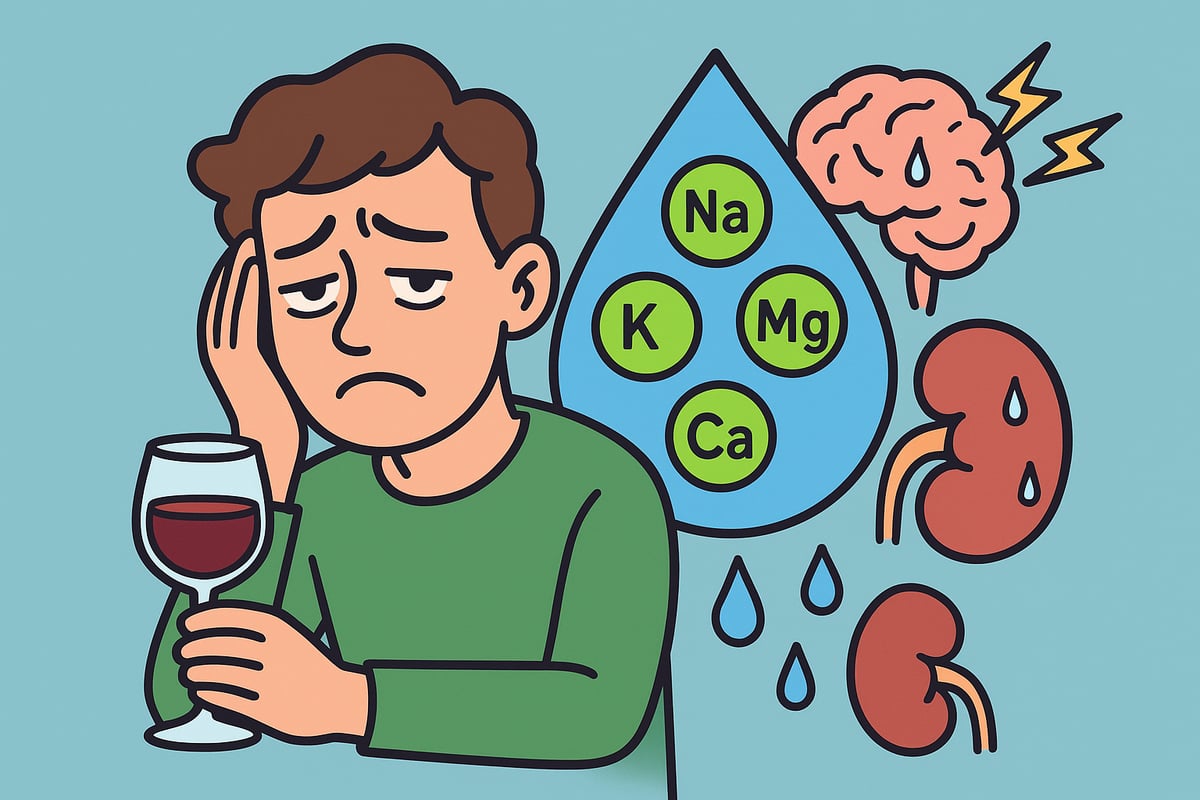
Alcohol acts as a diuretic, rapidly increasing urine output. This process begins when alcohol inhibits the release of vasopressin, also known as antidiuretic hormone. Without enough vasopressin, your kidneys allow more water to leave the body through urine, leading to accelerated fluid loss. For a detailed explanation of this mechanism, see Alcohol's Diuretic Effect and Dehydration Mechanism. As a result, the body loses both water and essential electrolytes after drinking, making rehydration more challenging than with water loss alone.
Electrolytes after drinking are depleted because alcohol-induced urination flushes out sodium, potassium, magnesium, and calcium. These minerals are responsible for critical functions such as nerve signaling, muscle contraction, and maintaining cellular hydration. When their levels drop, cells struggle to perform, and organs like the brain and muscles become less efficient. Even mild deficits can disrupt normal processes, affecting everything from alertness to muscle strength.
The symptoms of electrolyte loss after drinking are familiar to anyone who has experienced a hangover. Headaches, muscle cramps, dizziness, fatigue, and nausea are all linked to imbalances in electrolytes after drinking. Research suggests that up to 70% of hangover symptoms are directly caused by dehydration and electrolyte loss. When you add the effects of inflammation, the presence of acetaldehyde (a toxic alcohol byproduct), and congeners found in some alcoholic drinks, these symptoms can intensify.
Water alone cannot replace the full spectrum of electrolytes after drinking. While water helps to rehydrate, it does not restore the depleted minerals that the body desperately needs for recovery. In some cases, drinking excessive water without replenishing electrolytes can further dilute the remaining minerals, worsening symptoms or delaying recovery. That is why targeted rehydration strategies are essential to address the complex challenges of restoring balance after alcohol intake.
In summary, understanding the science behind dehydration and electrolyte depletion is key to effective hangover recovery. By focusing on restoring both fluids and electrolytes after drinking, you can support your body’s cellular function, reduce symptoms, and return to feeling your best more quickly.
Key Electrolytes and Their Roles in Post-Drinking Recovery
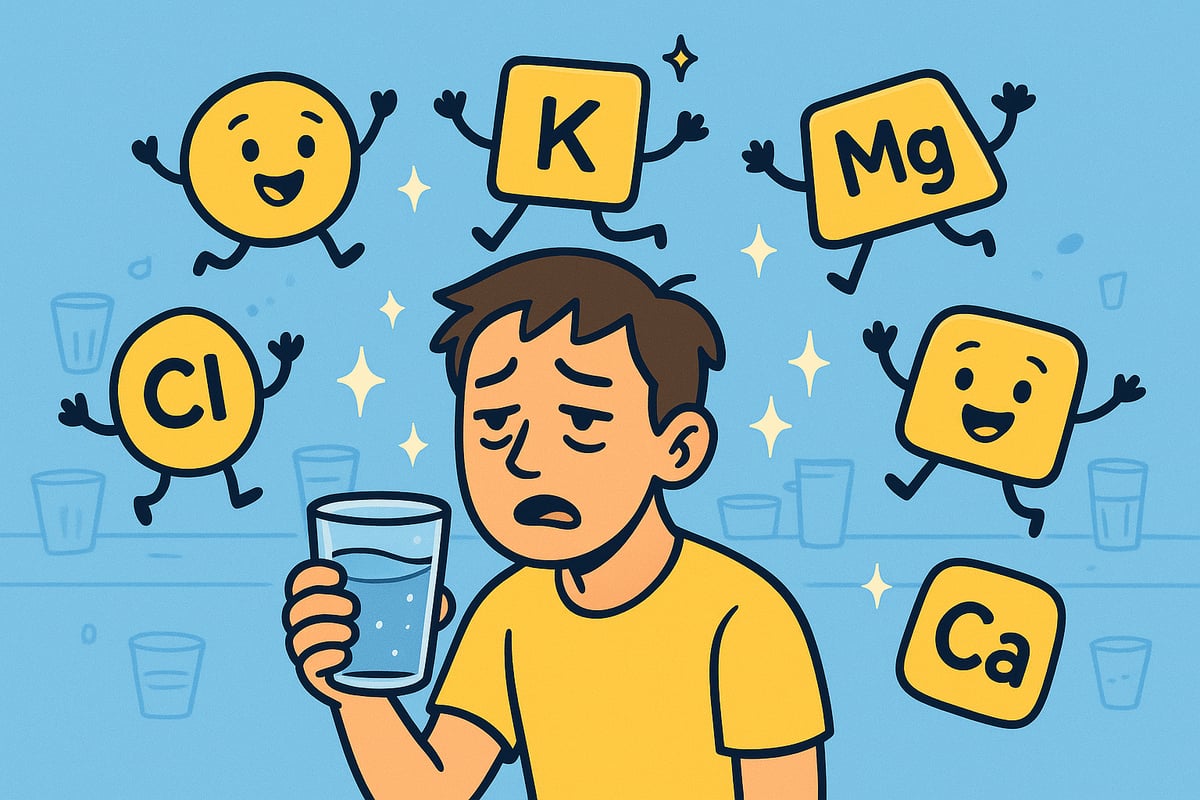
Restoring balance with electrolytes after drinking is essential for rapid hangover recovery and optimal hydration. Alcohol disrupts your body's delicate fluid and mineral equilibrium, so understanding which electrolytes matter most is the first step. For a deeper dive, see Electrolytes explained.
Sodium: The Hydration Gatekeeper
Sodium is the primary regulator of fluid balance in your body. After drinking alcohol, sodium levels can drop, leading to dehydration, headaches, and dizziness. Sodium also supports nerve and muscle function, which are often impaired after a night out. Replenishing sodium is a key part of using electrolytes after drinking, especially for those who experience post-drinking fatigue or confusion.
Potassium: Heart and Muscle Protector
Potassium works alongside sodium to maintain cellular hydration and electrical signaling. Low potassium after drinking can cause muscle weakness, irregular heartbeat, and persistent fatigue. Since alcohol increases urine output, potassium losses are common. Including potassium in your electrolyte recovery plan is crucial for restoring cardiovascular stability and preventing muscle cramps.
Magnesium: Calming the Nerves and Muscles
Magnesium is vital for energy production and neuromuscular control. Alcohol can lower magnesium levels, leading to increased muscle cramps, tremors, and irritability. For many, magnesium supplementation as part of electrolytes after drinking helps reduce hangover-related aches and supports a calm, steady recovery.
Calcium and Chloride: The Unsung Stabilizers
Calcium enables smooth muscle contractions and effective nerve transmission. Chloride works with sodium to maintain acid-base balance and fluid distribution. Deficiencies can manifest as tingling, muscle spasms, or even confusion. Proper intake of these electrolytes after drinking ensures your cells function optimally during recovery.
Common Symptoms and Electrolyte Deficits
| Electrolyte | Main Role | Deficiency Symptom | Benefit in Recovery |
|---|---|---|---|
| Sodium | Fluid balance, nerves | Headache, dizziness | Rapid hydration, clarity |
| Potassium | Heart, muscles, nerves | Weakness, cramps | Energy, muscle relief |
| Magnesium | Energy, calm, muscles | Cramps, irritability | Reduced aches, calm nerves |
| Calcium | Muscle, nerve signaling | Spasms, tingling | Smooth movement, alertness |
| Chloride | Acid-base, hydration | Fatigue, confusion | Full-body balance |
Why a Balanced Approach Works
Each electrolyte plays a unique role in recovery, so broad-spectrum supplementation is most effective. Studies show that drinks with a blend of sodium, potassium, and magnesium can cut recovery time by up to 30 percent compared to water alone. Prioritizing a well-formulated mix of electrolytes after drinking is the smartest way to minimize hangover symptoms and regain your best self quickly.
When and How to Take Electrolytes After Drinking: A Step-by-Step Guide
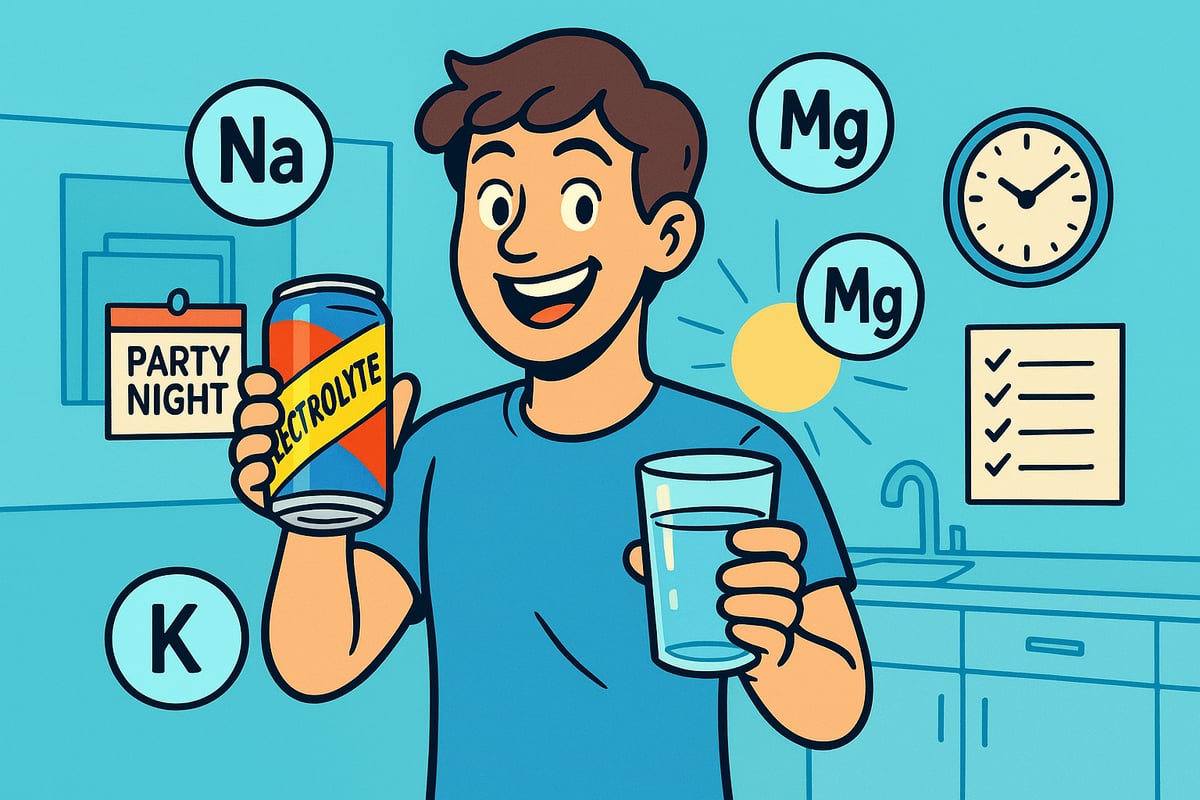
Navigating recovery after a night out requires more than just water. A strategic approach with electrolytes after drinking can make all the difference. This step-by-step guide breaks down exactly when and how to use electrolytes for optimal balance and rapid relief.
Step 1: Pre-Drinking Preparation
Preparing your body with electrolytes after drinking starts before you even take your first sip. Hydrate with an electrolyte-rich beverage in the hours leading up to alcohol consumption. This proactive approach helps your body build reserves, mitigating the severity of dehydration and electrolyte loss later.
Athletes commonly use this strategy to prepare for endurance events, and it is just as effective for social occasions. By starting with a balanced electrolyte drink, you give your system a head start in maintaining fluid and mineral equilibrium.
- Drink 500 ml of electrolyte solution 1–2 hours before drinking.
- Choose a formula with sodium, potassium, and magnesium.
This step sets the foundation for a smoother recovery with electrolytes after drinking.
Step 2: During Drinking—Smart Hydration
While enjoying your evening, alternating alcoholic drinks with water or electrolyte beverages is key. This steady intake helps slow the rate of fluid and mineral loss that alcohol triggers.
Aim to sip an electrolyte drink every two to three alcoholic beverages. This practice not only supports ongoing hydration but also keeps electrolyte levels from dropping too quickly.
- Bring single-serve electrolyte packets to social events.
- Choose low-sugar options to avoid excess calories.
- Pair each round of drinks with a glass of water or electrolyte solution.
Being consistent with electrolytes after drinking during the event can significantly reduce next-day symptoms.
Step 3: Immediate Post-Drinking—Before Bed
Before heading to bed, make it a priority to consume a balanced electrolyte beverage. This step is crucial for overnight recovery, as your body continues to lose fluids while you sleep.
People who hydrate with electrolytes after drinking before bed report fewer hangover complaints and less severe symptoms. The right mix of sodium, potassium, and magnesium supports your body's repair processes as you rest.
- Prepare your drink in advance for easy access.
- Avoid high-sugar options that can spike blood sugar.
- Drink at least 300 ml before sleeping.
This habit ensures your recovery starts immediately, optimizing the benefits of electrolytes after drinking.
Step 4: Morning After—Critical Recovery Window
On waking, your body is in a critical recovery window. Prioritize electrolyte intake to quickly restore what was lost. Choose a drink containing sodium, potassium, and magnesium, ideally with minimal sugar for better absorption.
Mixing an electrolyte powder into water delivers rapid results. Research shows that morning electrolyte intake can reduce headache severity by up to 40 percent, making it a vital step in your recovery.
- Drink 500 ml of electrolyte solution upon waking.
- Opt for a formula with at least 300 mg sodium and 100 mg potassium.
- Avoid caffeinated beverages initially, as they may worsen dehydration.
If you still feel sluggish, repeat a smaller dose after a few hours. This step maximizes the effectiveness of electrolytes after drinking and speeds up your return to balance.
Step 5: Ongoing Rehydration Throughout the Day
Recovery does not end with breakfast. Continue to replenish your system with small, regular doses of electrolytes after drinking as you move through the day. Adjust your intake based on activity level, climate, and lingering symptoms.
Ready-to-drink cans or portable powders offer convenience for busy schedules. Monitor your hydration status by checking urine color—pale yellow is ideal. For more practical advice, see Essential electrolyte supplements for hydration.
- Space out drinks, aiming for 200–300 ml every few hours.
- Limit sugary sodas and caffeinated drinks.
- Balance with light meals rich in fruits and vegetables.
Staying consistent with electrolytes after drinking ensures sustained recovery and helps you feel your best.
Choosing the Right Electrolyte Drink in 2026
Selecting the best electrolyte drink for recovery is crucial if you want to maximize the benefits of electrolytes after drinking. Not all hydration solutions are created equal, and the wrong choice can leave you feeling sluggish, prolonging your symptoms. With an ever-growing market of options in 2026, understanding what sets effective products apart ensures you replenish the right nutrients, support your body’s recovery, and avoid unnecessary additives.
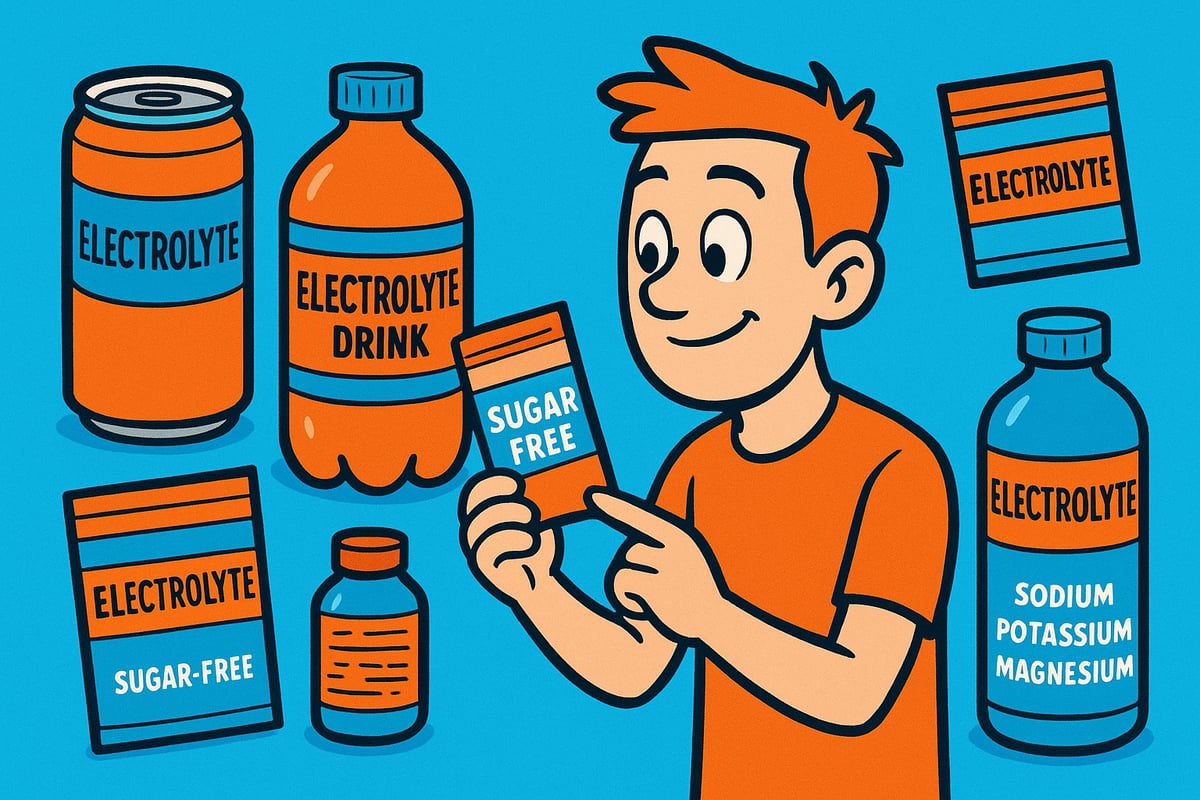
When evaluating electrolyte drinks for use after alcohol consumption, ingredient transparency should be your top priority. The most effective formulas for electrolytes after drinking include a balanced mix of sodium, potassium, and magnesium, without excess sugar or artificial additives. Look for products with clear labeling, minimal ingredients, and an emphasis on clean hydration. Sugar content is especially important, as high sugar can hinder rehydration and worsen symptoms. Ideally, opt for drinks with little to no added sugar, and avoid artificial sweeteners if you have sensitivities.
Comparing traditional sports drinks to modern electrolyte formulas reveals significant differences in how they address recovery after alcohol use. Many sports drinks are high in sugar and may lack optimal ratios of key minerals. In contrast, the latest electrolyte options are designed with targeted blends, clean labels, and innovative packaging, such as single-serve cans and convenient powders. Taste and ease of use matter too, especially if you are hydrating on the go or early in the morning. For a deeper dive into why sodium is a critical component, read this useful article on sodium in hydration drinks.
Emerging trends in the market for electrolytes after drinking include functional hydration solutions with adaptogens and personalized blends tailored to individual needs. Consumers are increasingly seeking sugar-free and low-calorie options, with recent data showing that 60% now prioritize these features. Look for drinks that support both physical and mental recovery, and check packaging for recyclable or eco-friendly materials if sustainability is important to you.
Be cautious of red flags when choosing an electrolyte drink for recovery. Avoid products with high fructose corn syrup, unnecessary fillers, or excessive caffeine, as these can undermine your rehydration efforts. Always read the ingredient list carefully. The best choices for electrolytes after drinking feature sodium, potassium, and magnesium in science-backed amounts, with a focus on clean, functional hydration. By prioritizing quality ingredients and transparent labeling, you can support your body’s return to balance and enhance your post-drinking recovery experience.
Practical Tips to Restore and Maintain Electrolyte Balance After Drinking
Restoring electrolytes after drinking is essential for a swift recovery and sustained well-being. Adopting a proactive approach will help you bounce back faster, minimize discomfort, and maintain your body's equilibrium.
Build a Smart Hydration Routine
Begin by integrating electrolyte drinks into your pre- and post-drinking habits. Before heading out, prepare a hydration kit with essentials like electrolyte powders, a reusable water bottle, and healthy snacks.
Use hydration reminder apps to prompt regular sips throughout the evening. This structured approach helps you stay on track and prevents you from neglecting electrolytes after drinking.
For more detailed strategies, consult Daily hydration tips for recovery to enhance your routine and maximize results.
Optimize Your Electrolyte Intake
Pair your electrolyte intake with light, nutritious meals. Bananas, leafy greens, and nuts are excellent choices to complement your electrolyte drinks. Avoid high-sugar sodas and caffeine after drinking, as they can worsen dehydration and offset your efforts to restore electrolytes after drinking.
Consider natural sources like coconut water, watermelon, or oranges. However, check their sodium content to ensure your body receives a balanced profile of electrolytes after drinking.
A consistent intake of these foods and drinks supports your recovery and helps maintain optimal hydration.
Monitor and Adjust for Personal Needs
Pay attention to your body's signals after drinking. Monitor urine color as a simple hydration indicator—aim for a pale yellow shade, which suggests proper fluid and electrolyte levels.
Adjust your electrolyte intake based on factors like climate and activity level. Hot weather or exercise increases your need for electrolytes after drinking, so plan accordingly.
Keep your hydration kit accessible and adapt your strategy as needed to maintain your body's balance. If you experience persistent symptoms, consider consulting a healthcare professional.
Sample Hydration Schedule & Final Tips
A structured schedule can make a significant difference in how you feel the day after drinking. Use the table below as a guideline:
| Time | Action |
|---|---|
| Before drinking | Drink 1 glass of electrolyte beverage |
| During drinking | Sip water or electrolyte drink every hour |
| Before bed | Consume 1 serving of electrolyte drink |
| Morning after | Drink electrolyte beverage with breakfast |
| Throughout the day | Alternate water and electrolyte drinks as needed |
Remember to personalize this schedule based on your unique needs and preferences. Making electrolytes after drinking a regular part of your routine will help you recover faster and feel your best.
Common Myths and FAQs About Electrolytes After Drinking
Sorting fact from fiction is essential when it comes to electrolytes after drinking. Many misconceptions can prevent effective recovery and even put your health at risk. Below, we clarify the most common myths and answer frequently asked questions to help you make smart hydration choices.
Myth: Water Alone Is Enough After Drinking
It is a common belief that water is all you need to recover from a night of drinking. However, while water helps with fluid loss, it does not replace crucial minerals lost during alcohol consumption. Alcohol acts as a diuretic, increasing urine output and causing the body to flush out sodium, potassium, and magnesium. Without replenishing these, you may continue to feel fatigued or dizzy. Scientific findings highlight that up to 70% of hangover symptoms are due to dehydration and electrolyte imbalance. Relying on water alone means you might miss out on the benefits of targeted recovery with electrolytes after drinking.
Myth: All Sports Drinks Are Good for Hangover Recovery
Not all sports drinks are created equal. Many contain high levels of sugar, artificial additives, or an imbalance of electrolytes. Some lack enough sodium or magnesium to properly address what is lost after alcohol intake. The best electrolyte drinks for recovery are those with a balanced formula, low sugar, and clear ingredient transparency. Opting for the wrong drink can leave you feeling just as depleted. When choosing a product, carefully check the label to ensure it meets your recovery needs for electrolytes after drinking.
FAQ: How Much Electrolyte Drink Should You Consume?
The optimal amount of electrolytes after drinking depends on several factors. Your body size, how much alcohol you consumed, and your activity level all play a role. As a general guideline, start with one serving of a balanced electrolyte drink immediately after your last alcoholic beverage. Continue with small, regular doses the next day, especially if symptoms persist. Be cautious not to overdo it, as consuming too much can lead to imbalances. If you are unsure, consult a healthcare professional for personalized advice on electrolytes after drinking.
FAQ: Can You Make Your Own Electrolyte Drink at Home?
Yes, making a homemade electrolyte drink is possible and can be quite effective. Mix water with a small pinch of salt, a splash of citrus juice for potassium, and a bit of honey or maple syrup for glucose. This simple combination helps restore the balance of electrolytes after drinking without excess sugar or additives. For those with specific deficiencies, consider adding magnesium powder or using coconut water as a base. Always measure ingredients carefully and avoid over-salting.
FAQ: Are There Risks to Taking Too Many Electrolytes?
While replenishing electrolytes after drinking is crucial, moderation is key. Overconsumption of sodium or potassium can strain your kidneys and negatively impact heart function. Individuals with pre-existing health conditions should be especially cautious. Research on Electrolyte Imbalances in Acute Alcoholism notes that both deficits and excesses can have serious effects. If you experience persistent symptoms such as confusion, irregular heartbeat, or severe muscle cramps, seek medical attention. Always follow recommended dosages and use products with clearly labeled ingredients.
0 comments