

Fuel drink options are rapidly gaining popularity, becoming the preferred choice for those seeking enhanced energy, hydration, and peak performance in 2026.
This comprehensive guide will break down everything you need to know about fuel drinks, from their key ingredients and health benefits to the latest innovations and how to select the ideal product for your lifestyle.
Ready to discover why fuel drinks are making headlines? Dive in to learn expert tips, compare top brands, and make informed decisions for your well-being.
What Are Fuel Drinks? The Basics Explained
Fuel drinks are a new generation of beverages designed to meet the increasing demand for convenient energy, hydration, and performance support. Unlike traditional sports or energy drinks, a fuel drink combines multiple functional benefits, offering more than just a caffeine boost or electrolyte replacement. These products are formulated for modern lifestyles, focusing on holistic wellness and peak performance.
What Is a Fuel Drink?
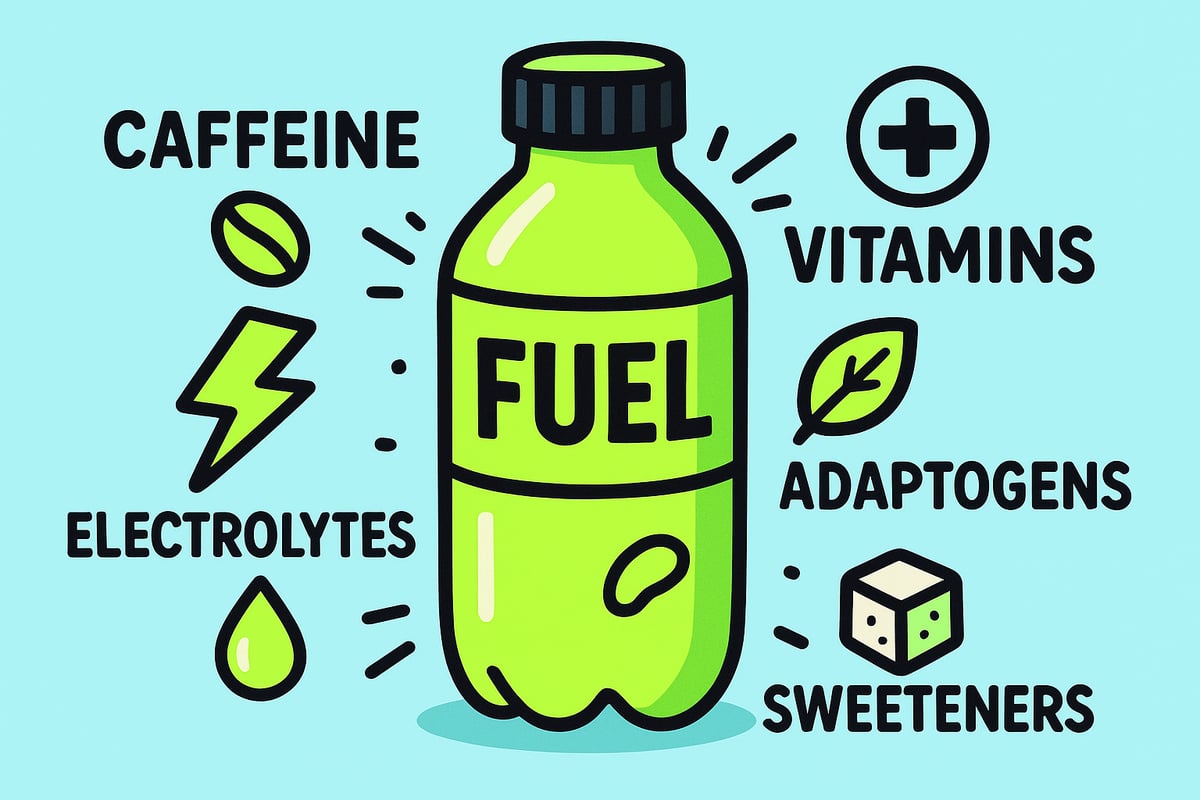
A fuel drink is typically a ready-to-consume beverage or powder mix that blends ingredients like caffeine, electrolytes, vitamins, amino acids, and sometimes adaptogens. The goal is to support sustained energy, hydration, and cognitive clarity throughout the day. Unlike regular energy drinks, a fuel drink often contains lower sugar levels, cleaner ingredient lists, and a broader range of nutrients.
The Evolution of Fuel Drinks
Over the past decade, the fuel drink category has rapidly evolved. Early versions focused mainly on quick energy, but by 2026, these beverages now offer multifunctional benefits. Brands have expanded their formulations to include support for focus, recovery, and immune health. This shift reflects consumer demand for products that go beyond basic hydration or stimulation.
Fuel Drink Uses and Formats
People reach for a fuel drink in various scenarios. Athletes use them before, during, or after workouts for performance and recovery. Professionals and students rely on them for mental clarity and energy during demanding days. Health-conscious individuals use a fuel drink for daily hydration and nutrient support.
Fuel drinks are available in several formats, such as:
- Ready-to-drink cans for grab-and-go convenience
- Powdered mixes for customizable strength and flavor
- Concentrates for easy mixing and portability
Who Drinks Fuel Drinks in 2026?
By 2026, the fuel drink appeals to a wide range of consumers. Athletes seeking an edge in training, busy professionals combating fatigue, students needing focus, and anyone pursuing a healthier lifestyle all find value in these products. The market has seen explosive growth, with global sales projected to continue climbing. For the latest updates on market trends and innovations, visit Fuel drink news and trends.
Regulation and Labeling
As the fuel drink category grows, regulatory standards have become stricter. Labels must clearly list active ingredients, serving sizes, and daily value percentages. In many regions, manufacturers are required to disclose caffeine content and any allergens present. Transparent labeling helps consumers make informed choices and supports trust in the fuel drink industry.
A fuel drink is more than just a beverage. It is a modern solution for those seeking balanced energy, enhanced hydration, and overall wellness in one convenient package.
Key Ingredients and Formulations: What’s Inside Your Fuel Drink?
Understanding what goes into your fuel drink is essential for making informed choices in 2026. The modern fuel drink is a sophisticated blend of ingredients designed to support energy, hydration, and overall performance. Let’s break down the key components and trends shaping today’s formulations.
Essential Ingredients in Fuel Drinks
The backbone of any fuel drink lies in its active ingredients. Caffeine remains a staple, valued for its ability to boost alertness and stamina. Taurine, an amino acid, is commonly added to support neurological function and endurance.
B-vitamins, such as B6 and B12, help convert food into energy, directly contributing to the fuel drink’s energizing effect. Adaptogens like ashwagandha or rhodiola are increasingly found in premium options, helping the body manage stress and maintain balance.
The Role of Electrolytes
Electrolytes are critical for hydration and muscle performance. Sodium, potassium, and magnesium are the most frequently included minerals in a fuel drink. These elements help maintain fluid balance, reduce cramping, and support nerve function during intense activity.
For athletes and fitness enthusiasts, a fuel drink with balanced electrolytes can be a game changer. Many brands now prioritize transparent labeling of electrolyte content, so consumers know exactly what they’re getting.
Natural vs. Synthetic: What Consumers Want
Consumer demand for transparency and health-conscious choices has led to a clear division between natural and synthetic ingredients in the fuel drink market.
| Ingredient Type | Source Example | Health Implications | Consumer Preference |
|---|---|---|---|
| Natural | Stevia, fruit extracts | Fewer additives, perceived healthier | Growing |
| Synthetic | Sucralose, artificial flavors | May extend shelf life, more affordable | Declining |
Most consumers now gravitate toward natural ingredients, but some synthetic options remain for their affordability and stability. For more on ingredient research and trends, see Maverick Drink research insights.
Sugar Content and Sweetener Choices
Sugar content is a major consideration in any fuel drink. High sugar can lead to energy crashes and unwanted calories. Brands are responding by using alternatives like stevia, monk fruit, and sucralose to deliver sweetness without the drawbacks of traditional sugar.
Choosing a low- or zero-sugar fuel drink is increasingly popular among health-conscious consumers. Always check the nutrition label for total sugars and sweetener types.
Additives: Preservatives, Flavors, and Colorings
Preservatives extend shelf life, but not all are created equal. Some fuel drink brands use natural preservatives like citric acid, while others rely on synthetic options.
Flavorings and colorings also vary widely. Natural flavors from fruit extracts are preferred, but some products still use artificial colors for visual appeal. Look for fuel drinks that clearly list these additives, so you know what you’re consuming.
Dietary Considerations and Clean Label Trends
Dietary needs play a big role in fuel drink selection. Many options in 2026 are vegan, gluten-free, and keto-friendly, catering to diverse lifestyles.
Clean label trends emphasize transparency, minimal processing, and recognizable ingredients. Brands highlight these attributes on packaging, making it easier than ever to find a fuel drink that aligns with your values and dietary preferences.
Understanding the ingredients and formulations inside your fuel drink empowers you to choose products that support your energy, hydration, and health goals. As innovation continues, staying informed will help you make the best choice for your needs.
Health Benefits and Risks of Fuel Drinks
Fuel drink options have become a staple for those seeking an extra boost in daily life, whether for athletic performance, cognitive focus, or hydration. As these beverages rise in popularity, understanding the balance of their benefits and risks is crucial for making informed choices.
Health Benefits of Fuel Drinks
Many people turn to a fuel drink to enhance their physical and mental performance. Key benefits include:
- Increased energy: The caffeine and B-vitamins in a fuel drink can help reduce fatigue and sharpen alertness.
- Improved hydration: Electrolytes in a fuel drink support fluid balance, especially during intense activity.
- Enhanced endurance: Certain fuel drink ingredients, like amino acids, may delay muscle fatigue.
- Cognitive support: Adaptogens and nootropics in some fuel drink formulas are designed to improve focus and mental clarity.
For athletes and busy professionals alike, a fuel drink can offer support for both body and mind.
Scientific Evidence and Efficacy
Research continues to evaluate how a fuel drink affects the body and mind. Multiple clinical studies have shown that a fuel drink with caffeine and electrolytes can improve short-term endurance and reaction times in athletes.
A review of recent literature suggests that regular use of a fuel drink may benefit people who need quick hydration and energy during demanding tasks. However, the long-term impact of daily fuel drink consumption is still being studied, and results can vary based on the specific formula and individual health status.
Potential Risks and Side Effects
Despite their popularity, a fuel drink is not without risks. Common side effects may include:
- Overstimulation or jitteriness from high caffeine levels
- Dehydration if the fuel drink contains excessive sugar or diuretics
- Sugar crashes, particularly with high-sugar formulas
- Disrupted sleep if consumed late in the day
Recent expert analysis, such as that offered by Harvard Health on Energy Drinks, highlights the importance of moderation and awareness of possible health impacts. Always read the label to know what is inside your fuel drink.
Caffeine, Sensitivities, and Safe Limits
Not everyone reacts the same way to caffeine in a fuel drink. Some individuals experience rapid heart rate, anxiety, or digestive discomfort. Experts recommend that healthy adults consume no more than 400 mg of caffeine per day from all sources, including a fuel drink.
It is also important to monitor how a fuel drink interacts with other caffeine-containing products. For those sensitive to caffeine, look for a fuel drink with lower or no caffeine content.
Special Populations and Health Guidance
Certain groups should use extra caution with a fuel drink. Teens, pregnant women, and those with chronic conditions like heart disease or high blood pressure may be more susceptible to adverse effects.
Health professionals advise that children avoid fuel drink products entirely. Pregnant women should consult their doctor before using any fuel drink, and people with medical conditions should discuss potential interactions with their healthcare provider.
Expert Recommendations and Regulations
Regulatory bodies continue to monitor the safety and marketing of fuel drink products. Labels must clearly state caffeine content, ingredient lists, and any relevant warnings.
Experts recommend integrating a fuel drink into your routine only when needed, and never as a replacement for balanced meals or adequate water intake. Following serving size instructions and paying attention to your body's response will help you enjoy the benefits of a fuel drink while minimizing risks.
Top Fuel Drink Brands and Products in 2026
Choosing the right fuel drink in 2026 can feel overwhelming with so many brands and options available. The market has grown rapidly, and consumers now expect more than just basic energy or hydration. Understanding what sets the top brands apart is essential for finding a fuel drink that matches your needs, lifestyle, and budget.
Criteria for Evaluating Fuel Drink Brands
When comparing fuel drink brands, focus on several critical factors:
- Ingredients: Look for transparency about sources, quality, and whether the formula meets your dietary preferences.
- Efficacy: Does the fuel drink actually deliver on its promises for energy, hydration, or recovery?
- Transparency: Top brands share detailed info about their sourcing, testing, and nutritional breakdowns.
- Value: Price per serving, subscription discounts, and bulk options can affect long-term cost.
The best fuel drink brands in 2026 excel in at least three of these areas.
Top Brands and Flagship Products
The fuel drink landscape features both established giants and innovative newcomers. Explore a curated selection of popular brands and their standout products in the All fuel drink collections, which showcases the diversity of offerings on the market.
| Brand | Flagship Product | Main Focus | Price Range | Notable Feature |
|---|---|---|---|---|
| Maverick | 12x25cl | Hybrid formula | $$ | Adaptive hydration blend |
| EnergiX | PowerRush RTD | Energy | $ | Extended-release caffeine |
| Hydrator | PureHydrate Powder | Hydration | $ | High magnesium content |
| FocusFuel | NeuroBoost Shot | Cognitive focus | $$$ | Nootropic complex |
For a closer look at a leading hybrid option, the Maverick 12x25cl product details page highlights why this fuel drink remains a favorite among athletes and professionals.
Comparative Analysis: Taste, Effectiveness, and Price
Top fuel drink brands distinguish themselves through unique flavor profiles, performance results, and value. User reviews often cite Maverick’s balanced taste and FocusFuel’s mental clarity boost as standouts. Hydrator caters to those who want clean, subtle flavors, while EnergiX offers bold, fruity options.
Effectiveness varies depending on individual needs. Hybrid formulations like Maverick’s appeal to those seeking both stamina and hydration, whereas single-focus options are better for targeted goals. Price points range from budget powders to premium shots, so consider your usage frequency and budget before committing.
Trends in Packaging, Flavors, and Innovation
In 2026, sustainability is a major trend. Many brands now use recyclable packaging, and some even offer refillable containers. Flavors have expanded beyond classic citrus and berry to include exotic blends like yuzu-mint and watermelon-basil.
Innovation also extends to ingredient sourcing and personalization. Some brands use AI to recommend a fuel drink blend based on your activity level, while others prioritize plant-based or adaptogenic ingredients for holistic benefits.
Subscription Models and Buying Options
Many consumers now prefer subscription models for their favorite fuel drink. These plans often offer discounts, free shipping, and exclusive flavors. One-time purchases remain available for those who want to sample new products.
Tips for Finding the Best Deals and Avoiding Counterfeits
- Buy directly from official brand sites or trusted retailers.
- Look for third-party testing or certifications to ensure authenticity.
- Watch for bulk discounts or seasonal promotions.
- Avoid suspiciously low prices, which may signal counterfeit fuel drink products.
With careful research and an understanding of your personal needs, you can confidently select a fuel drink that fits your lifestyle and supports your goals in 2026.
Expert Tips for Safe and Effective Fuel Drink Use
Fuel drinks have become a staple for athletes, professionals, and anyone seeking an energy boost or hydration support. Using a fuel drink effectively comes down to timing, dosage, and safety. With so many options available, following expert advice ensures you maximize benefits and minimize risks.
Timing and Dosing Strategies
The timing of your fuel drink can significantly impact its effectiveness. For pre-workout energy, consume your fuel drink 30–45 minutes before exercise. This allows key ingredients like caffeine and electrolytes to take effect as you begin. During intense training or endurance events, sipping a fuel drink in small amounts helps maintain hydration and steady energy.
Post-workout, a fuel drink focused on recovery with amino acids and electrolytes can support muscle repair and fluid balance. Always read the label for serving size and recommended use to avoid excessive intake.
Mixing with Supplements and Foods
Mixing a fuel drink with other supplements or foods is common but requires caution. Avoid pairing high-caffeine fuel drinks with additional stimulants to reduce the risk of overstimulation. If you use protein powders, check for overlapping ingredients such as B-vitamins or electrolytes.
Fuel drinks can be taken with a light meal or snack to slow absorption and reduce digestive discomfort. However, mixing with alcohol or certain medications may lead to unwanted interactions. Consult a healthcare provider if you have concerns about compatibility.
Dosage Limits and Monitoring Your Response
Respect daily caffeine and ingredient limits to avoid side effects like jitteriness, rapid heart rate, or sleep issues. Most experts recommend limiting total caffeine intake to 400 mg per day for healthy adults, including what is found in your fuel drink. Sensitive individuals, teens, and pregnant women should use lower doses or avoid these products altogether.
Pay attention to your body’s response after consuming a fuel drink. Signs of overuse include headaches, palpitations, and insomnia. For an in-depth look at cardiovascular effects, see this Systematic Review of Energy Drinks' Cardiovascular Effects. If you experience adverse symptoms, reduce your intake or stop use and consult a medical professional.
| Symptom of Overuse | What to Do |
|---|---|
| Jitteriness | Lower dose, hydrate, rest |
| Rapid heartbeat | Stop use, consult a doctor |
| Insomnia | Avoid late-day consumption |
| Headache | Hydrate, monitor intake |
Storage, Freshness, and Safety
Proper storage preserves the quality and potency of your fuel drink. Keep ready-to-drink cans or bottles in a cool, dry place, away from direct sunlight. Powders and concentrates should be sealed tightly after each use to prevent moisture and clumping.
When traveling, use insulated bottles to keep drinks cold and fresh. Check expiration dates regularly, and never consume a fuel drink past its best-by date to avoid reduced effectiveness or spoilage.
Staying Informed and Recognizing Risks
Stay updated on new research about fuel drink safety, ingredient innovations, and product recalls. Subscribe to trusted health or fitness newsletters, and check official sources for regulatory updates.
Recognize the signs of misuse or dependency, such as needing multiple servings daily or feeling unable to function without a fuel drink. Use these beverages as a tool, not a crutch, and always prioritize balance in your nutrition and hydration strategy.
By following these expert tips, you can enjoy the benefits of a fuel drink while minimizing risks. Make informed choices, listen to your body, and adjust your routine as needed for safe, effective results.
0 comments