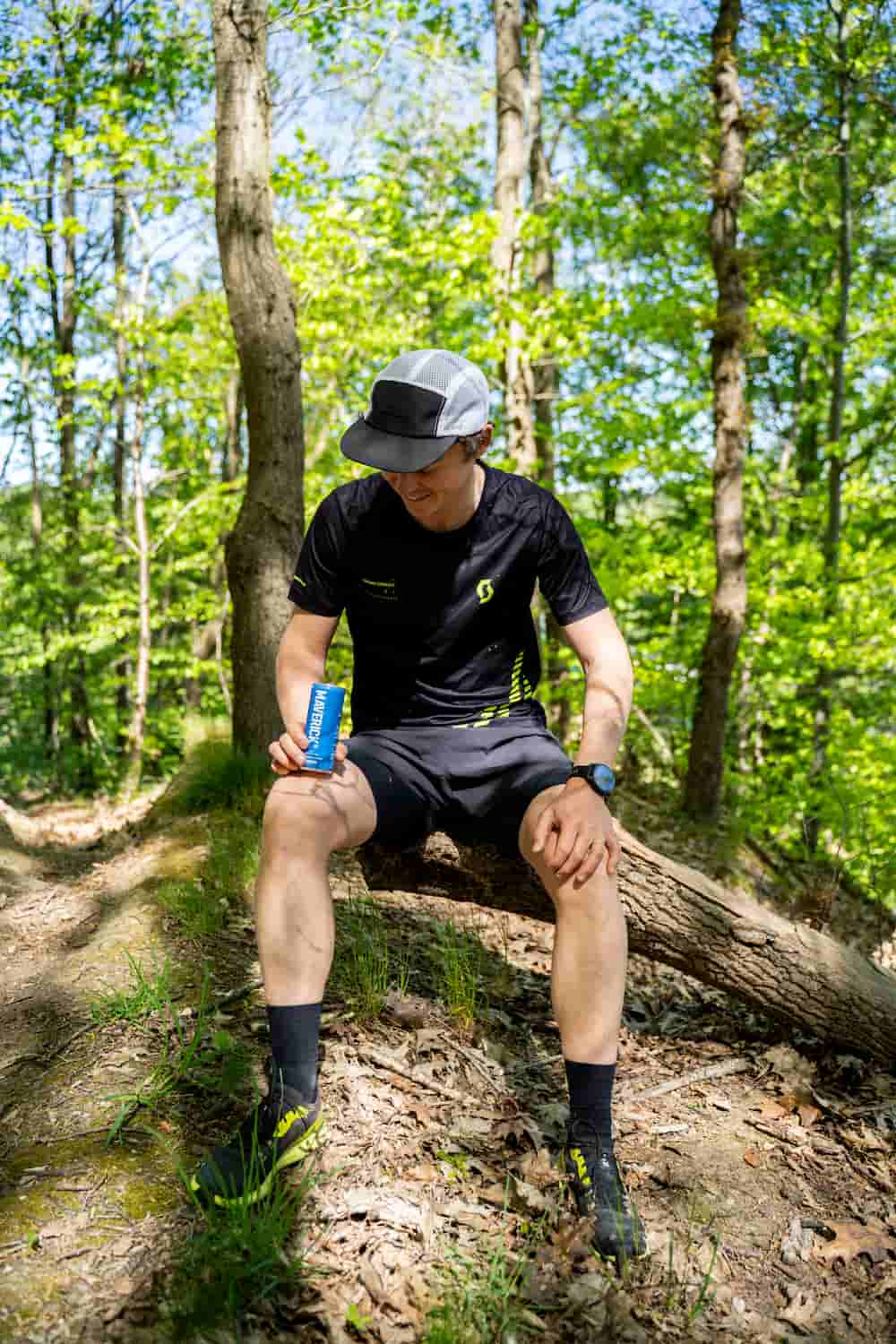
You just got back from a run, your legs are buzzing and you are standing in front of the fridge wondering what to grab. Short answer: after most easy runs, water is enough. After a long run, a hot run or a very sweaty one, add electrolytes (mostly sodium) and some real food with carbs and protein.
That is the whole idea. The rest of this guide helps you figure out which of those situations you are in, without turning your post-run snack into a science project.
What should you drink right after running?
Start with water. It is cheap, it is everywhere and it is what your body lost most of. Have a glass or two in the first half hour, then keep sipping as you feel thirsty.
What you add on top depends on three things:
- Duration. A 30-minute jog and a two-hour long run are very different stories.
- Heat and humidity. The same 10K in July costs you a lot more fluid than in November.
- How much you sweat. Some people finish dry, others look like they jumped in the canal. If your cap or shirt has white salty marks, you are probably a salty sweater.
Sweat is mostly water, but it also carries electrolytes, mainly sodium, with smaller amounts of potassium and magnesium. A litre of sweat can contain anywhere from a few hundred milligrams to more than a gram of sodium, and that varies a lot from person to person. When you lose a lot of sweat, replacing only the water is not always the full picture.
A simple guide by type of run
Here is a rough cheat sheet. Treat it as a starting point and adjust to how you feel.
| Your run | What to drink | What to eat |
|---|---|---|
| Easy run, around 30 minutes, mild weather | Water, drink to thirst | Your next normal meal is fine |
| 60 to 90 minutes, or a hard session | Water, plus a drink with electrolytes if you sweated a lot | A snack or meal with carbs and some protein within a couple of hours |
| Long run (90 minutes+), half marathon, or any hot run | Water and electrolytes, sipped over several hours | A proper meal with carbs, protein and some salt |
Most beginners spend most of their time in the first row, and that is completely fine. You do not need special drinks to run three times a week around the park.
When do you need electrolytes after a run?
Electrolytes start to matter when you have lost a fair amount of sweat. Good signs that you are in that zone:
- You ran for more than an hour.
- It was warm, humid or sunny.
- Your clothes are soaked or you can feel salt on your skin.
- You feel flat, a bit dizzy or very thirsty even after drinking water.
In those cases, a drink with sodium helps your body hold on to the fluid you drink instead of passing straight through. You can get there in several ways: an electrolyte drink, an electrolyte powder or tablet in your bottle, or simply salty food with your water (soup, a sandwich with cheese, crackers, a plate of pasta with a salty sauce).
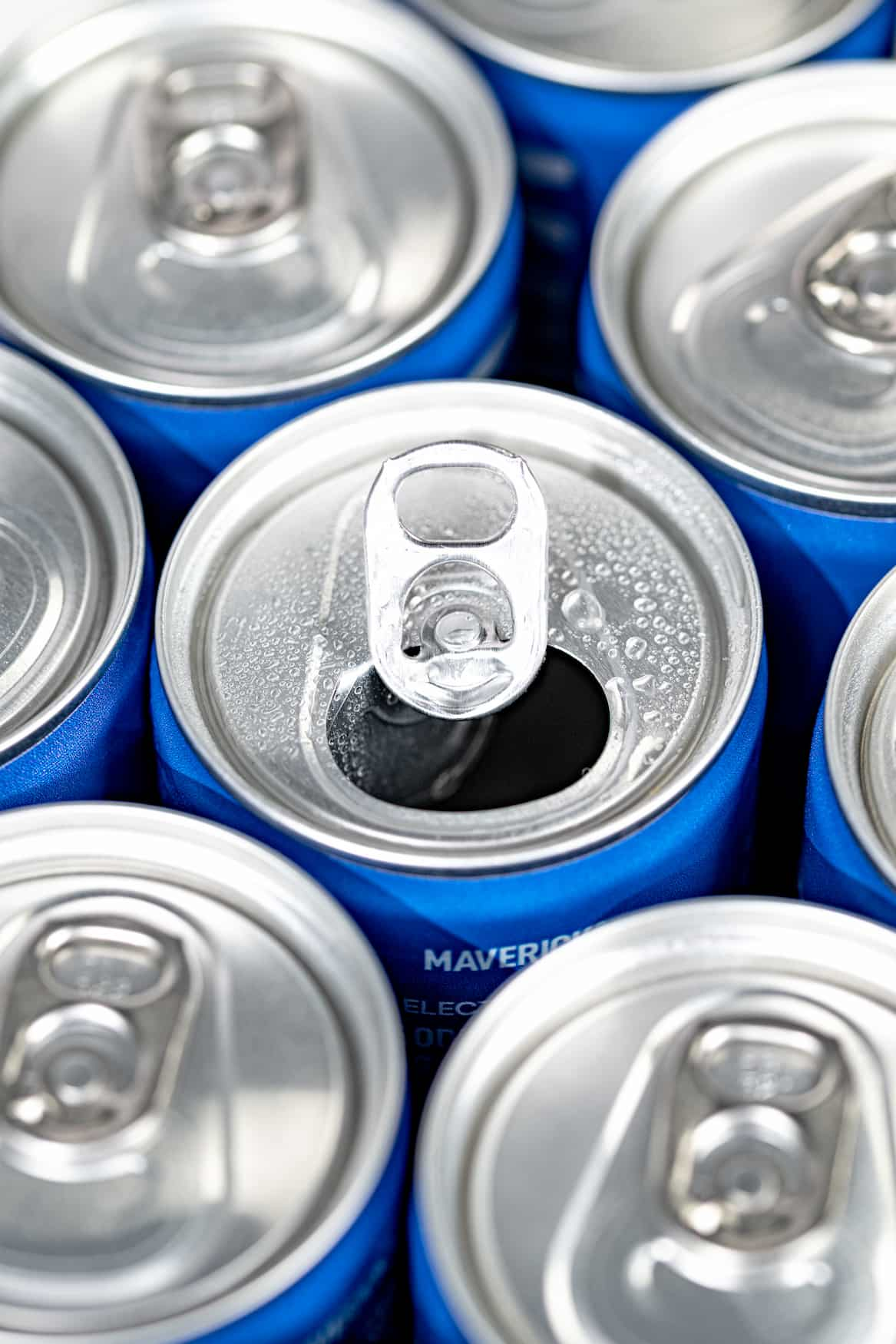
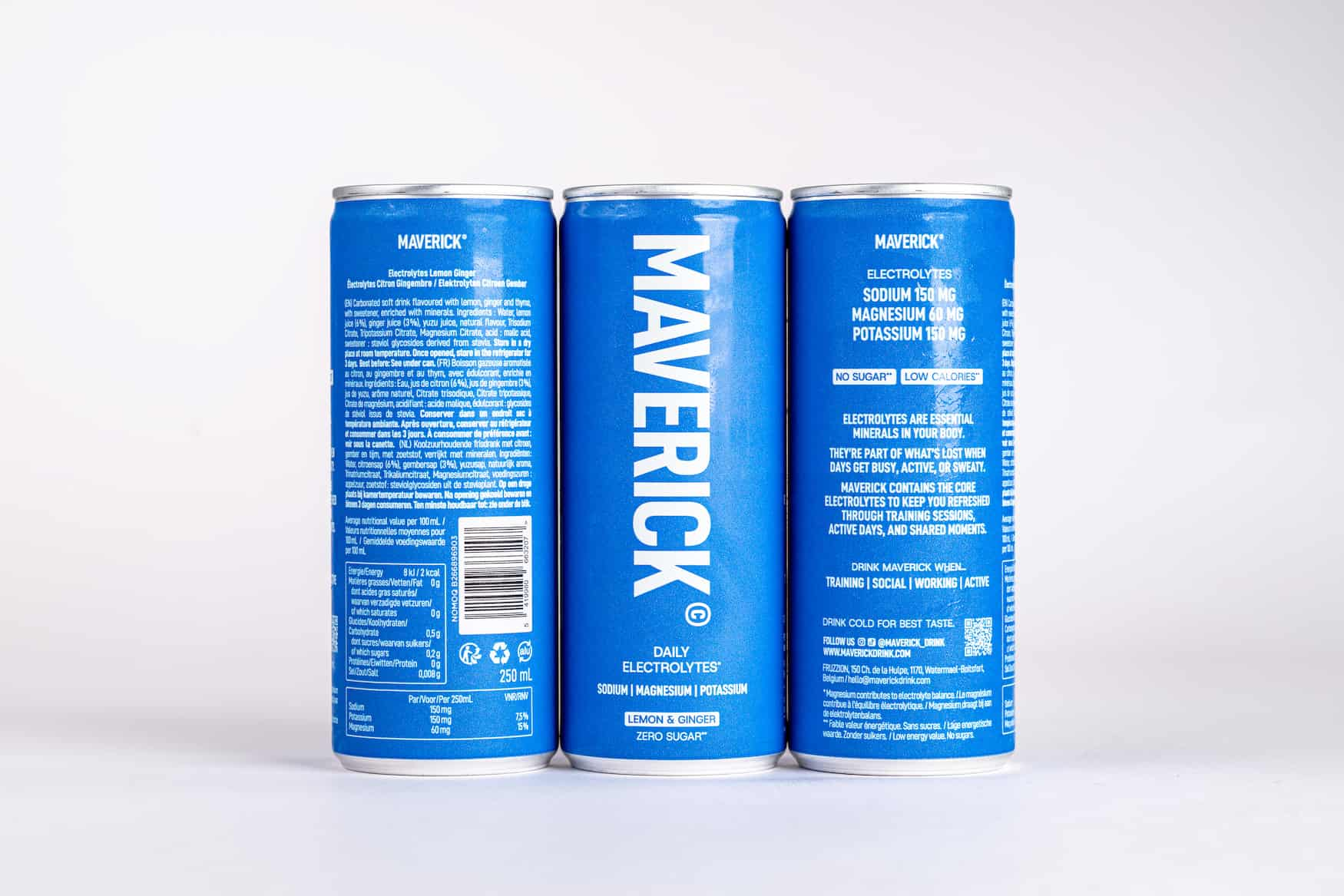
This is where something like Maverick fits in. Each 250 ml can has 150 mg of sodium, 150 mg of potassium and 60 mg of magnesium, with 5 kcal and no added sugar. Magnesium contributes to electrolyte balance and to normal muscle function. It is a nice cold, lightly sparkling option after a sweaty 10K, and some people simply prefer it to plain water.
Let us be honest though: after a long, hot run where you lost a lot of sweat, one can will not cover all the sodium you lost. That is not what it is designed for. On those days, combine it with plenty of water and a salty meal, or use a higher-sodium product made for long endurance efforts. If you want to understand the basics better, our page on electrolytes explains what each one does.
Do you need carbs and protein after a long run?
After a short run, not really. Your normal meals will do the job. After longer runs (think 75 to 90 minutes or more), food starts to matter as much as fluid.
Carbohydrates help refill the energy stores your muscles used. Protein supports muscle repair. Many sports nutrition guidelines suggest that around 20 grams of protein after exercise is a sensible amount for most people, together with a decent portion of carbs.
Easy options that work
- Chocolate milk. A runner classic for a reason: fluid, carbs and protein in one glass. Research suggests it works about as well as many recovery drinks.
- Yoghurt or skyr with fruit and granola.
- A sandwich with cheese, eggs, chicken or hummus.
- A real meal: pasta, rice or potatoes with some protein and vegetables. Add a pinch of salt, it helps after a sweaty run.
There is no magic 30-minute window you have to hit. If your next meal is within an hour or two, you are fine. If it is much later, have a snack to bridge the gap.
What to limit after a run
Nothing here is forbidden. It is just about what you reach for first.
- Alcohol right after. Alcohol makes your body lose more fluid, which is the opposite of what you want when you are already a bit dry. If there is a beer at the finish line, enjoy it, but drink water first and have it with food.
- Lots of sugary soft drinks. A can of regular soda gives you plenty of sugar and no electrolytes to speak of. After an easy run, you simply do not need that much sugar.
- Classic sports drinks after short runs. They are designed for long efforts. After 30 minutes at an easy pace, they mostly add sugar you did not burn.
- Chugging a huge amount of water at once. Drinking very large volumes of plain water quickly, especially after long events, is not a good idea. Sip steadily over a few hours instead.
How do you know if you drank enough?
You do not need a lab. A few simple checks are more than enough.
Check your urine colour
The easiest tool you have. Pale yellow, like lemonade, usually means you are well hydrated. Dark yellow, like apple juice, means you should keep drinking. Completely clear all day long can mean you are overdoing it a little.
Weigh yourself before and after (for the curious)
If you like numbers, step on the scale before and after a run, without clothes or with the same dry clothes. Every kilo you lost is roughly a litre of sweat. A common guideline is to drink about 1.25 to 1.5 litres for every kilo lost, spread over the next few hours, because you keep losing some fluid while you recover. Try it once on a hot day and once on a cool day, and you will learn a lot about your own sweat.
Listen to the basics
Thirst is a reasonable guide for most runners. Headaches, feeling dizzy or unusually tired after a run can be signs you need more fluid and salt. If you have a medical condition, high blood pressure, kidney issues or you are pregnant, talk to your doctor about how much fluid and salt is right for you.
Running in summer? Plan ahead
Hot weather changes everything: you sweat more, you lose more sodium, and you need more time to bounce back. Drink a bit before you go, bring water on runs longer than an hour, and plan a salty meal for afterwards. For more practical tips, read our guide to staying hydrated in hot weather.
Whether you just finished your first 5K or you are building up to a half marathon, keep it simple: water first, electrolytes when you sweated a lot, and a good meal after the long ones. Get those basics right, enjoy the post-run glow, and lace up again next time feeling ready for it.